
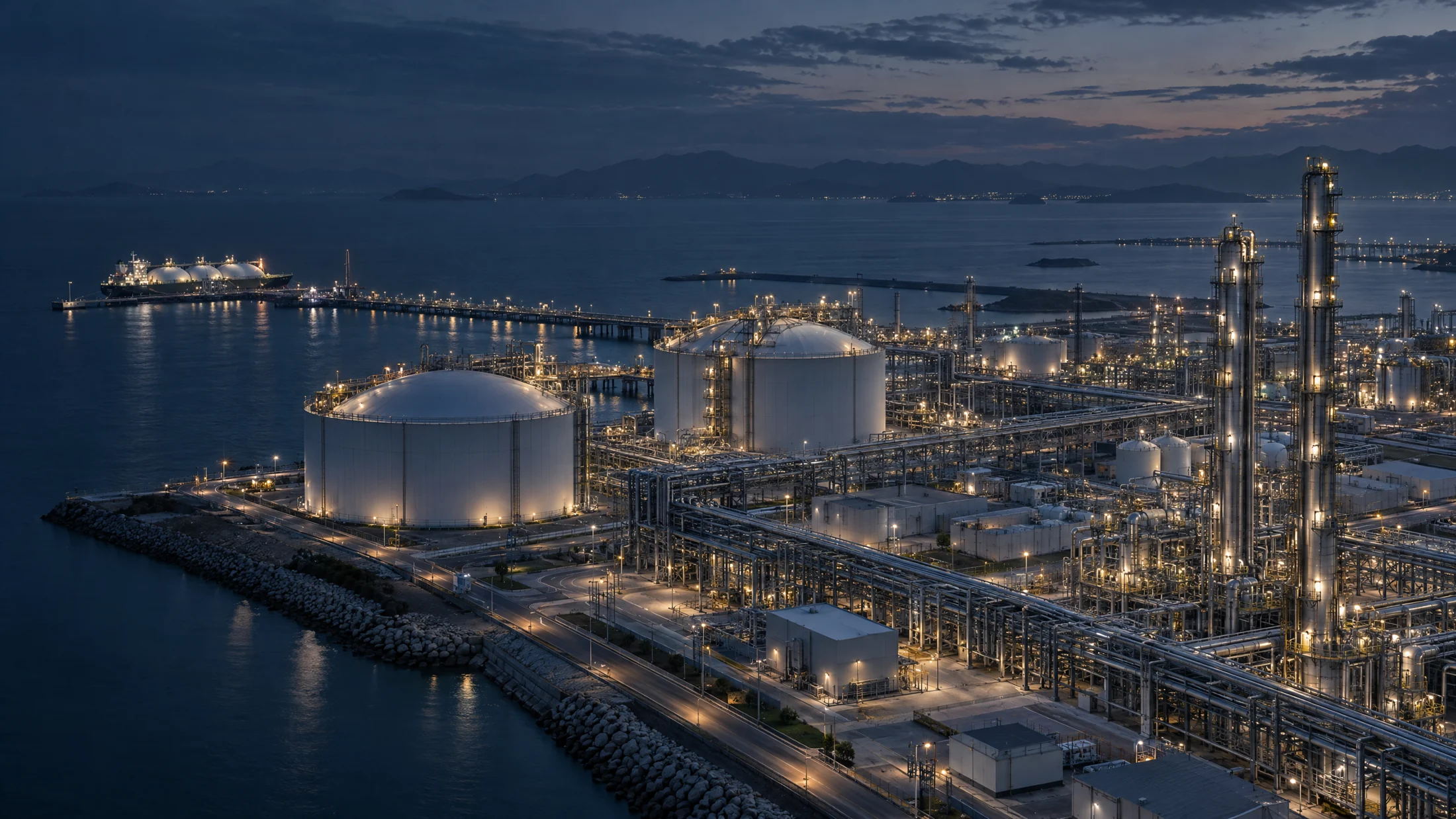
Counter-Drone Systems for Oil, Gas & Petrochemical Facilities
Give refinery, tank farm and LNG terminal security teams drone alerts, bearing information and incident records. Combine fixed RF monitoring with portable detection to support permanent facilities, maintenance projects and temporary security requirements.
Discuss your projectApplication illustration
Low-altitude monitoring for industrial facilities.
RF monitoring and direction finding
The Low-Altitude Sensing Station monitors compatible drone signals across 300 MHz–6 GHz. Host software supports allow/deny lists, track replay, event logs and statistics; position information depends on drone type. The Drone Direction Finder adds 360° azimuth coverage and ≤5° angular accuracy. The Portable Drone Detection & Locating Device provides battery-powered monitoring with audible and screen-flash alerts.
Tank farms, process areas
and terminal perimeters.
Equipment location, electrical classification and the site radio environment all affect the hardware selection. RF monitoring and imaging can be considered separately from active response equipment.
The GNSS enclosure option carries an Ex d IIC T6 Gb marking. Certificate acceptance and installation suitability are specific to the destination project.
View the marked-enclosure optionRelated products
RF drone detection, direction finding and integration support for refineries, tank farms, LNG terminals and petrochemical plants.
Ask about a configuration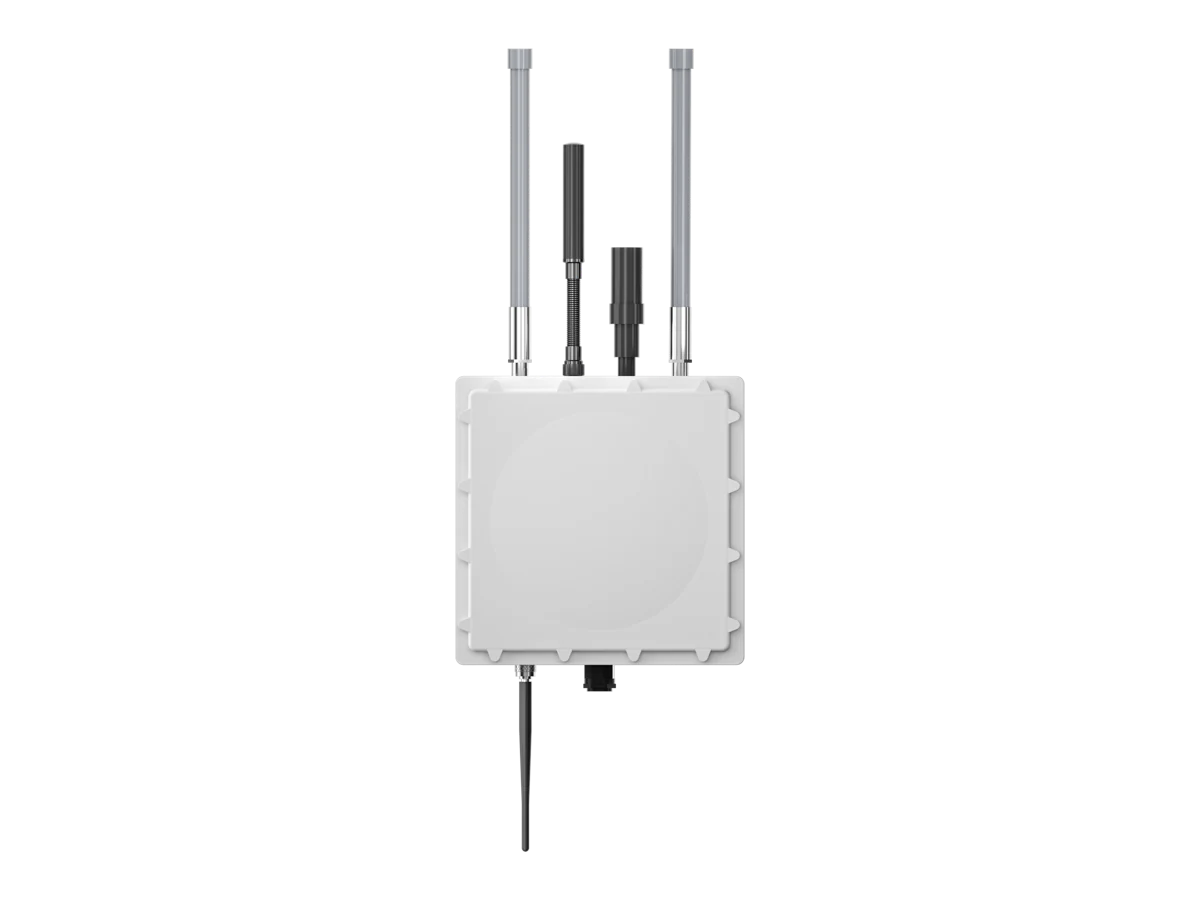 Fixed RF node
Low-Altitude Sensing Station
Continuous RF monitoring from a compact fixed station.
View product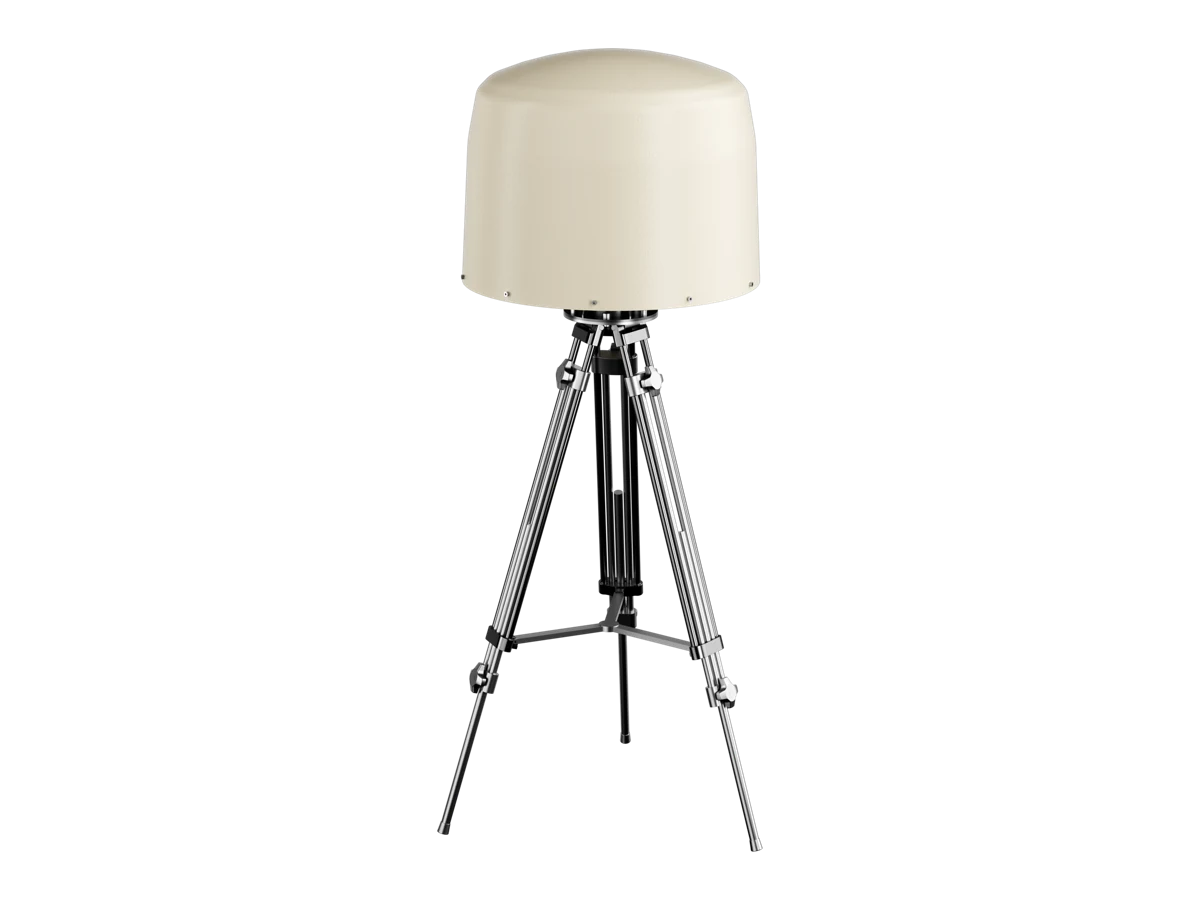 Passive DF
Drone Direction Finder
360° direction finding for drone RF signals.
View product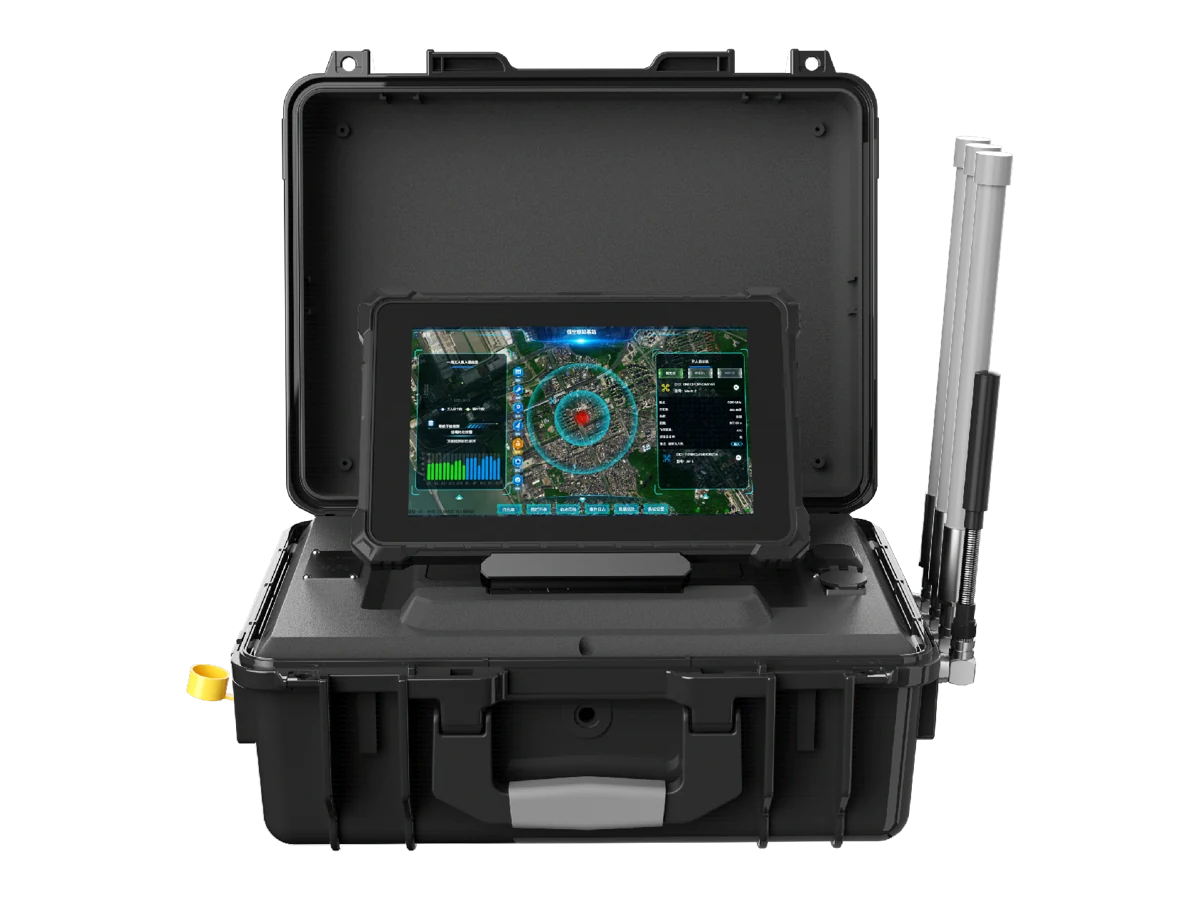 Portable case
Portable Drone Detection & Locating Device
RF detection and locating in a transportable case.
View product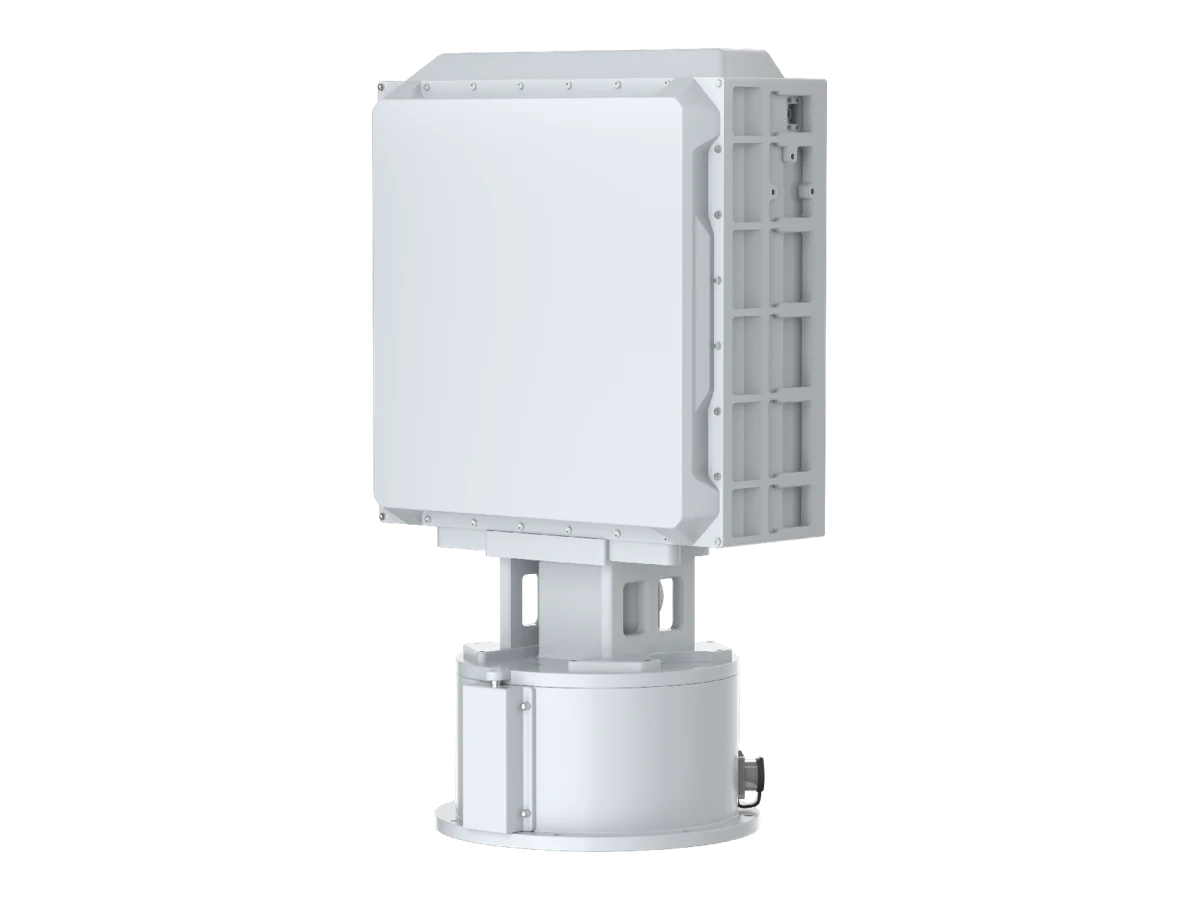 X-band radar
Low-Altitude Surveillance Radar
X-band tracking for small, low-altitude targets.
View product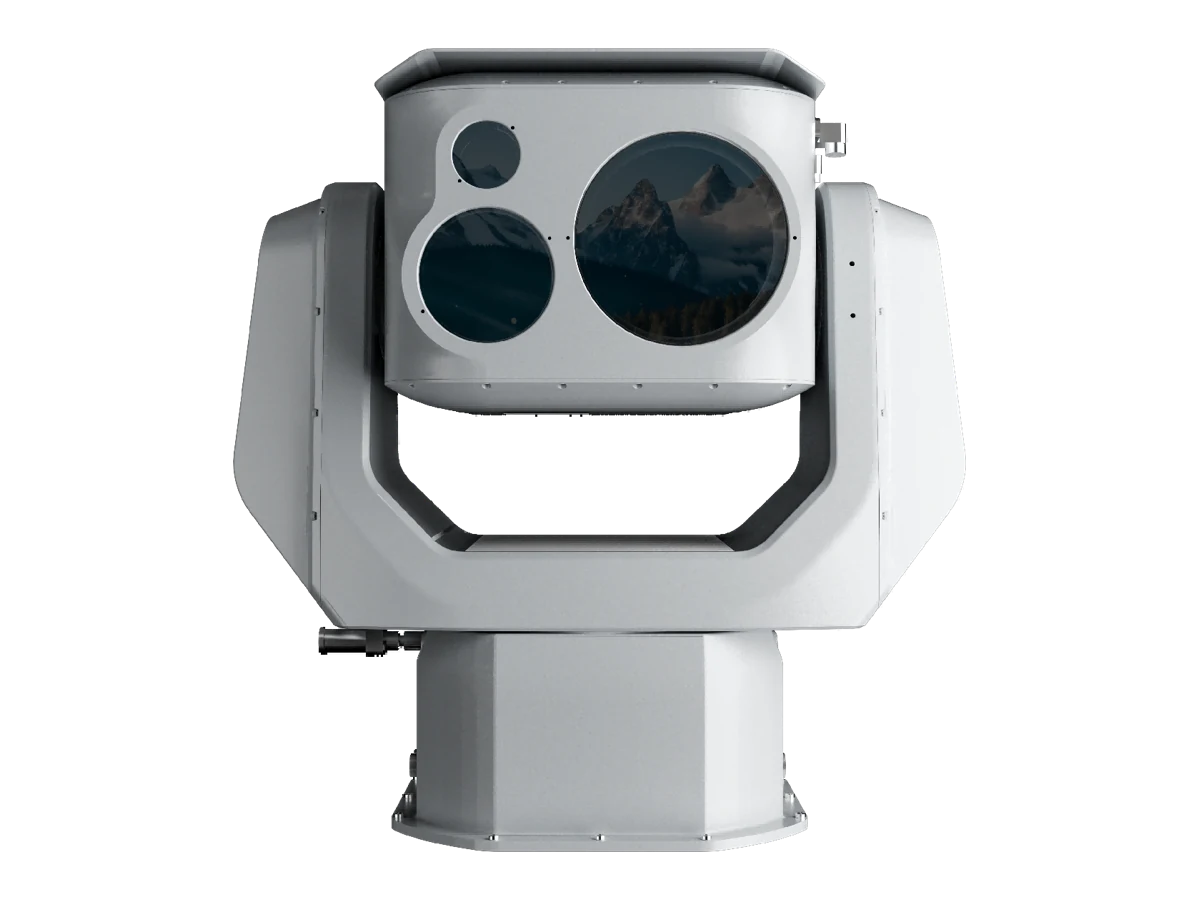 EO/IR
Dual-Spectrum EO/IR Camera
Visible and cooled-infrared tracking in one camera.
View productFrequently asked questions
Can RF sensors detect drones with silent links?
RF monitoring cannot reliably detect a drone that emits no compatible signal. The sensing station monitors compatible signals across 300 MHz–6 GHz; this is not a guarantee of detecting every drone. Radar and EO/IR can provide complementary detection and visual verification.
Does an Ex marking establish hazardous-area approval?
No. The XD-TLN1000 GNSS Deception Unit bears Ex d IIC T6 Gb, but that marking alone is not proof of ATEX or IECEx certification. Verify the model-specific certificate, site hazardous-area classification and destination acceptance before selection. Passive RF sensors also require assessment for their intended installation area.
Should we use fixed monitoring or portable detectors during refinery maintenance?
Fixed RF monitoring supports ongoing surveillance at refineries, tank farms and LNG terminals. The battery-powered portable detector supports temporary security requirements and maintenance projects, with audible and screen-flash alerts. Specify which areas need permanent monitoring and which need temporary coverage so the proposal can distinguish fixed equipment from portable support.
Will operators receive a drone location or only a bearing?
The Drone Direction Finder provides 360° azimuth coverage and a stated angular accuracy of ≤5°. A bearing indicates direction, not necessarily a geographic position. Position information from the sensing station depends on drone type. Ask the proposal to distinguish bearing information from position outputs for the drones relevant to your facility.
What records can security teams use after a drone incident?
Host software supports allow/deny lists, track replay, event logs and statistics. For refinery or terminal workflows, identify the incident details operators need, who must review them and any record-retention requirements. Confirm the available reporting and export functions for the proposed configuration rather than assuming a particular format or interface.
What site information is needed for a refinery or tank-farm proposal?
Provide a site plan showing priority assets, tank and process structures, hazardous-area boundaries and candidate monitoring locations. Describe permanent and temporary security needs, relevant drone concerns and operator alert requirements. Coverage should be assessed for the actual site rather than assumed from frequency specifications. Agree any FAT/SAT scope, acceptance criteria and documentation requirements in the quotation.
Discuss your facility security project
Send your site type, project country and required equipment functions. Include any existing sensors or control-room systems.