Six questions about detection and integration
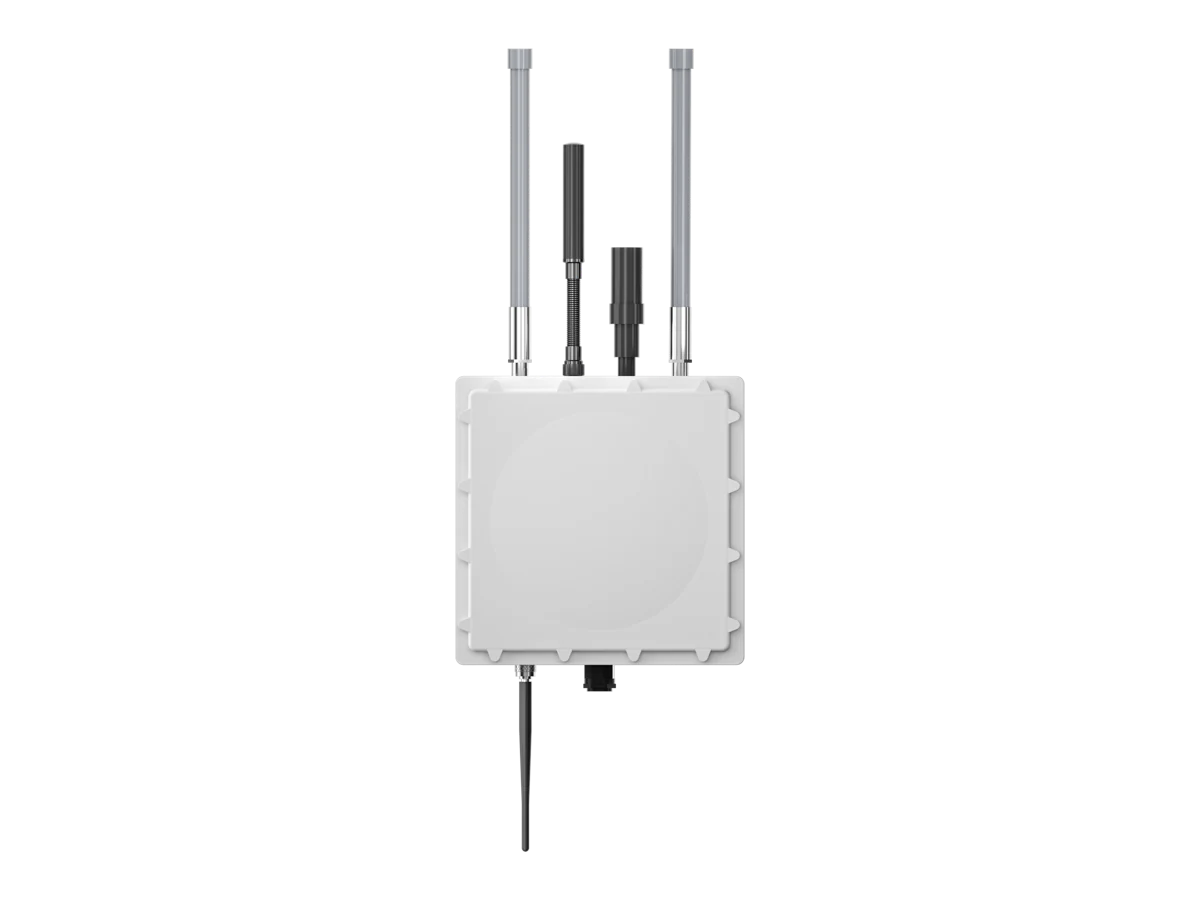
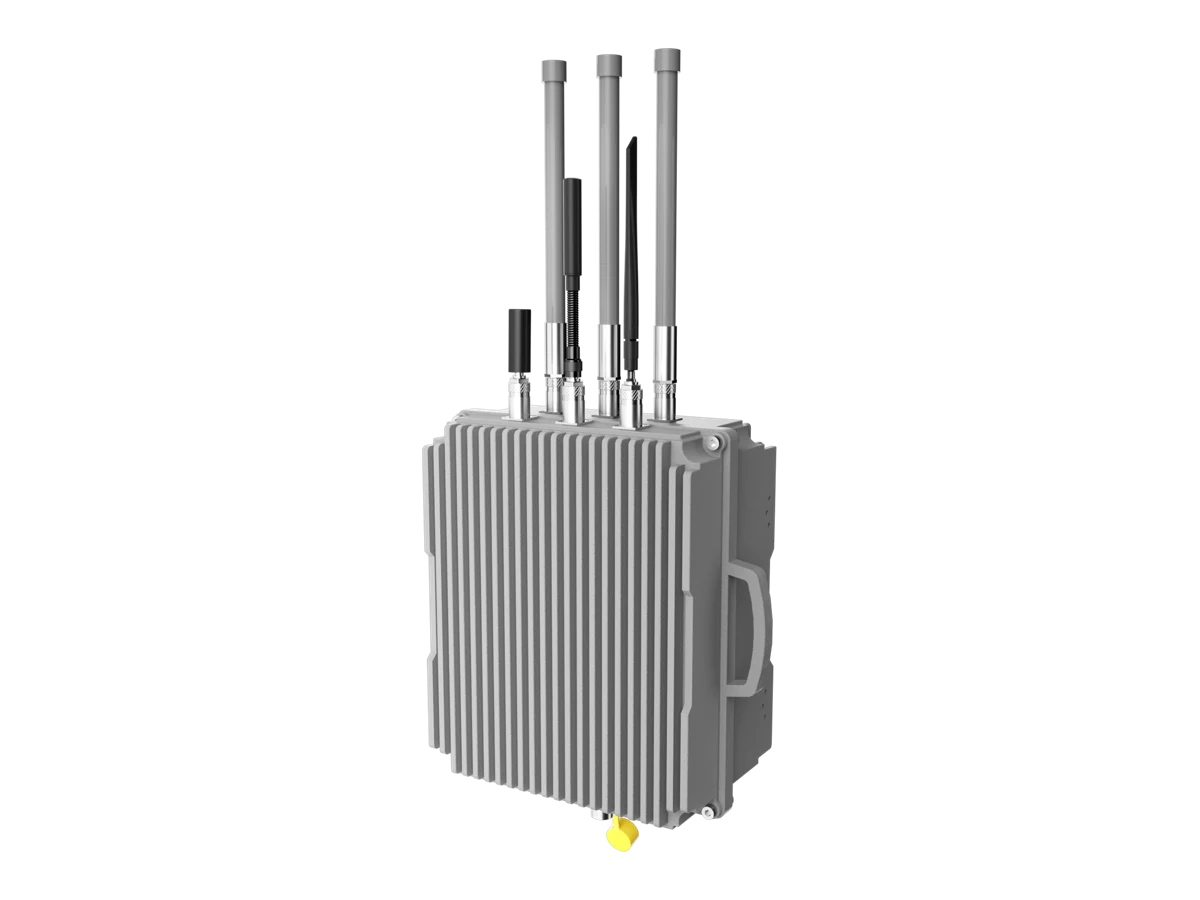
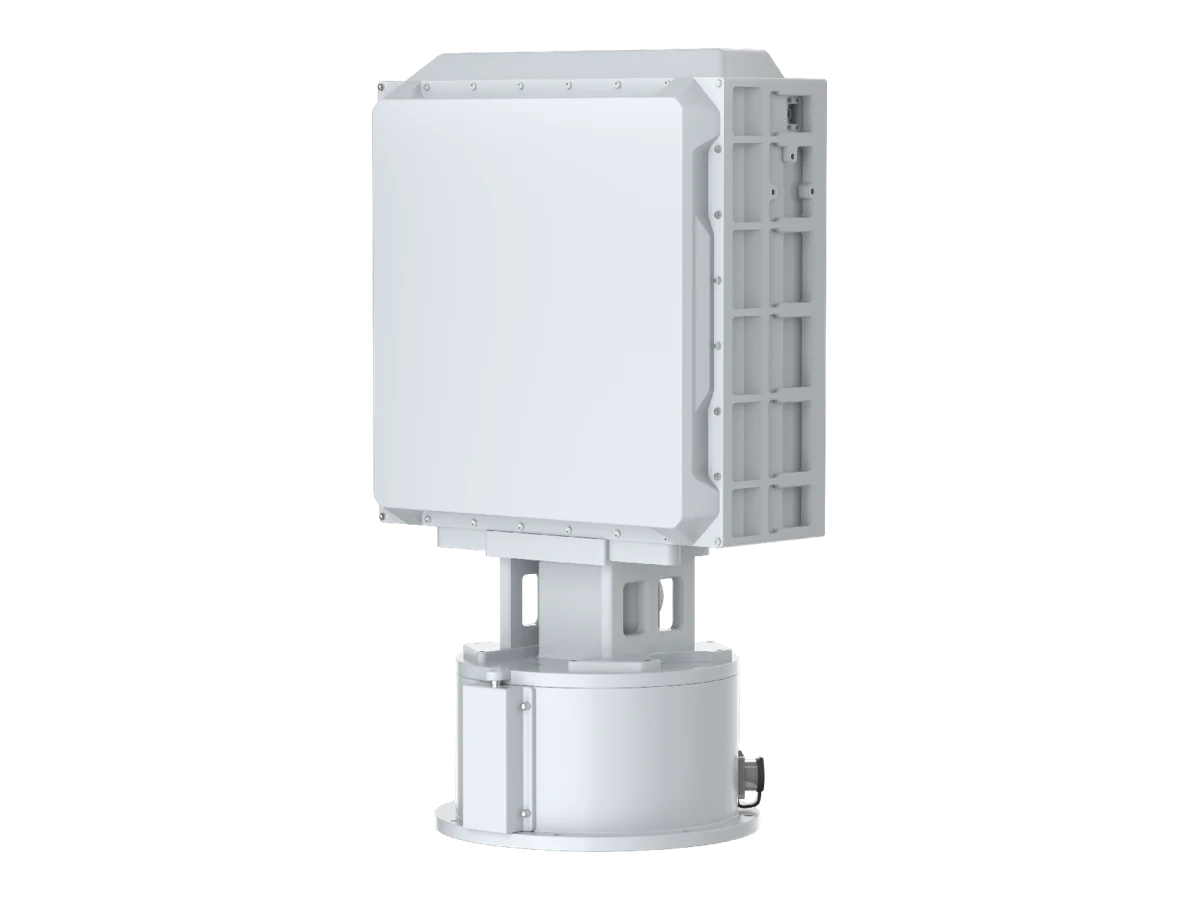
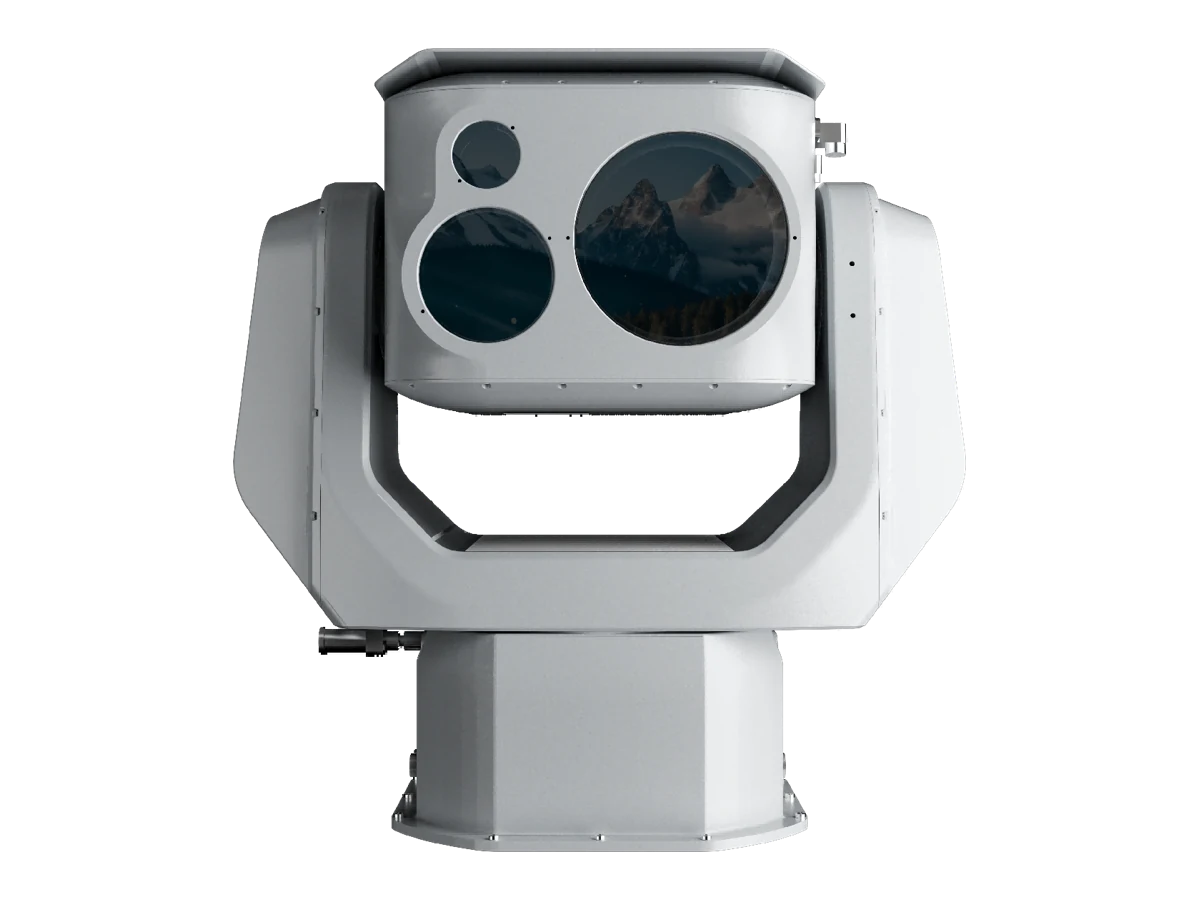
RF detection, radar tracking and EO/IR verification serve different functions; compare the outputs your operators need.
How was range measured?
Request target type, flight conditions and separate detection, tracking and recognition results.
How many alerts occur at comparable sites?
Review time-stamped logs, monitoring duration and the radio environment behind the figures.
What happens with a link-silent drone?
Ask which radar or optical capability addresses targets without detectable RF emissions.
What data can the sensor export?
Request sample messages, field definitions, update rates and interface documentation.
Which cameras and platforms can connect?
Ask for model-specific compatibility and a demonstration of the proposed connection.
How does the RF recognition library change?
Establish update delivery, release frequency, model coverage and any recurring charges.
Six questions about manufacturers, testing and support
Identify the hardware manufacturer, software provider and system integrator for each item in the proposal. Agree who supplies test records and who is responsible for installation and support.
Who manufactures each equipment model?
Request the legal manufacturer, model designation and supply chain for each sensor. Establish who owns the firmware and handles equipment repairs.
What factory and site testing is included?
Agree factory acceptance testing (FAT) and site acceptance testing (SAT) criteria, required reports and responsibilities. Link equipment serial numbers to the test records.
What training is included?
Specify participant numbers, language, manuals, practical assessment and refresher costs.
Which spares are recommended?
Request model-specific replacement parts, repair arrangements, availability and quoted delivery estimates.
Which supply documents are required?
Jamming and GNSS deception equipment require destination-specific authorization and lawful-use review.
What happens when support ends?
Ask about software support duration, firmware compatibility, upgrade options and replacement costs.
Cost and quotation scope
A counter-drone system quote depends on the sensors, installation and software scope, not only the number of devices. Separate the equipment price from project and ongoing costs before comparing proposals.
Equipment and configuration
List each sensor model and quantity, host equipment, antennas, batteries, mounting hardware and optional functions. Separate a detection-only configuration from equipment with electronic response functions.
Installation and acceptance
Price site surveys, cabling, mounting, integration, commissioning and agreed FAT/SAT activities separately. State who provides infrastructure and who signs the acceptance records.
Ongoing ownership
Ask which software licences, updates, spares, maintenance and support charges recur. Include freight, applicable taxes and the destination requirements in the commercial scope.