
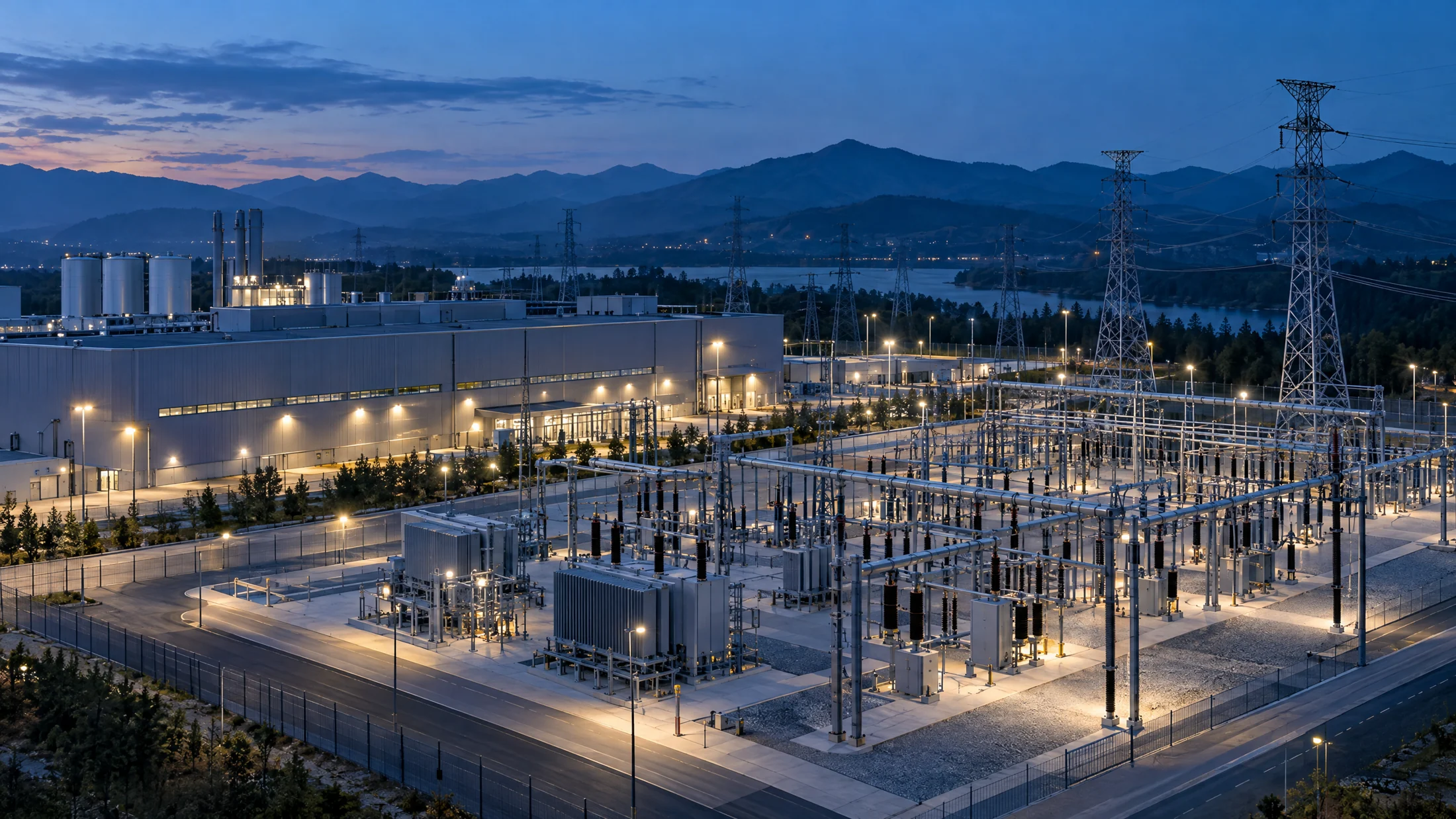
Drone Detection for Power Plants and Utilities
Give security teams a clearer view of drone activity around substations, switchyards, generating stations and dams. Combine fixed RF detection, flight records and visual verification while keeping authorized inspection flights distinguishable from unknown contacts.
Discuss your projectApplication illustration
Monitor the airspace around critical assets.
RF monitoring with a visual verification layer
RF sensors detect supported drone transmissions; cameras help operators examine the target. Detection distances depend on signal type and site conditions.
Fixed Drone Detection & Locating Unit
300 MHz–6 GHz monitoring, ≤50 W consumption, and host-supported allow/deny lists, track replay and event records.
Low-Altitude Sensing Station
External 24 V supply for continuous duty; aircraft position, track and distance depend on drone type/model.
Dual-Spectrum EO/IR Camera
Visible 20× and cooled infrared 22× optical zoom support daytime and night verification.
Engineering the complete monitoring system
Shaanxi Smart Innovation Future Technology Co., Ltd. supports RF design, software and system integration. Define sensors, host equipment and operator workflows together. Jamming or navigation deception requires separate legal authorization and assessment of utility communications and timing dependencies.
Monitoring for distributed assets.
Fixed monitoring
RF nodes and locating equipment for permanent facilities.
Target observation
Radar and EO/IR options add tracks and imagery around the protected area.
Incident review
Selected RF equipment provides track replay and event records for the operator.
Related products
Fixed drone detection and visual verification for utility facilities, with practical requirements for integrators and equipment distributors.
Ask about a configuration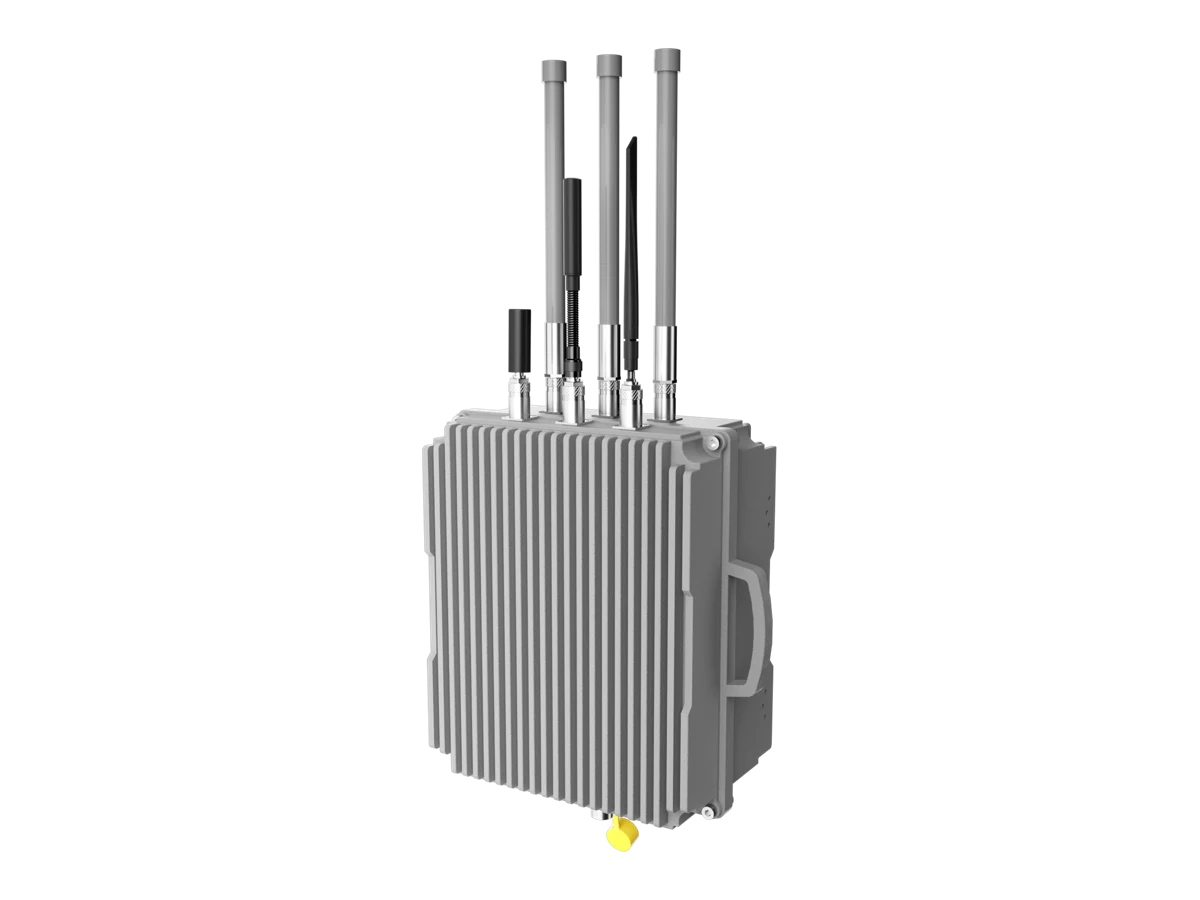 Fixed RF node
Fixed Drone Detection & Locating Unit
Fixed RF detection with host-based event records.
View product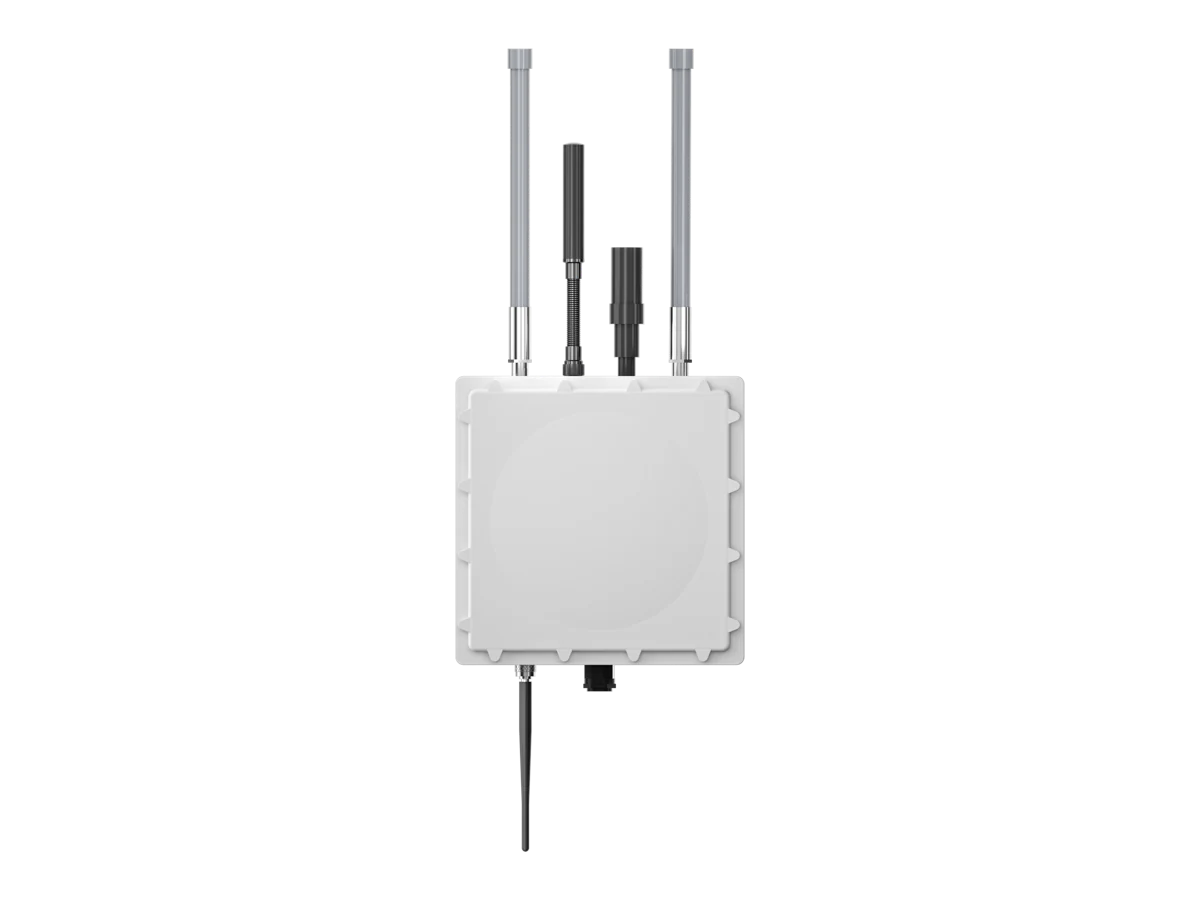 Fixed RF node
Low-Altitude Sensing Station
Continuous RF monitoring from a compact fixed station.
View product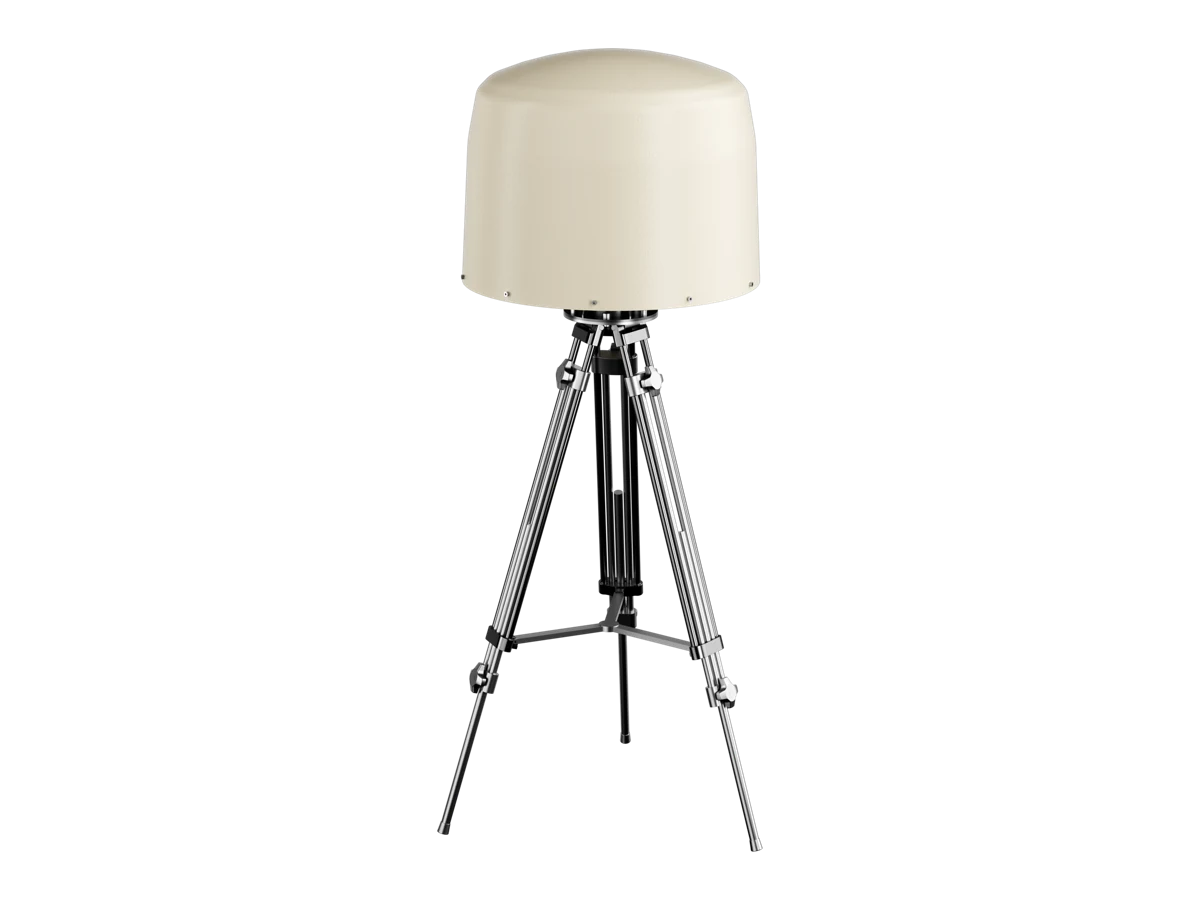 Passive DF
Drone Direction Finder
360° direction finding for drone RF signals.
View product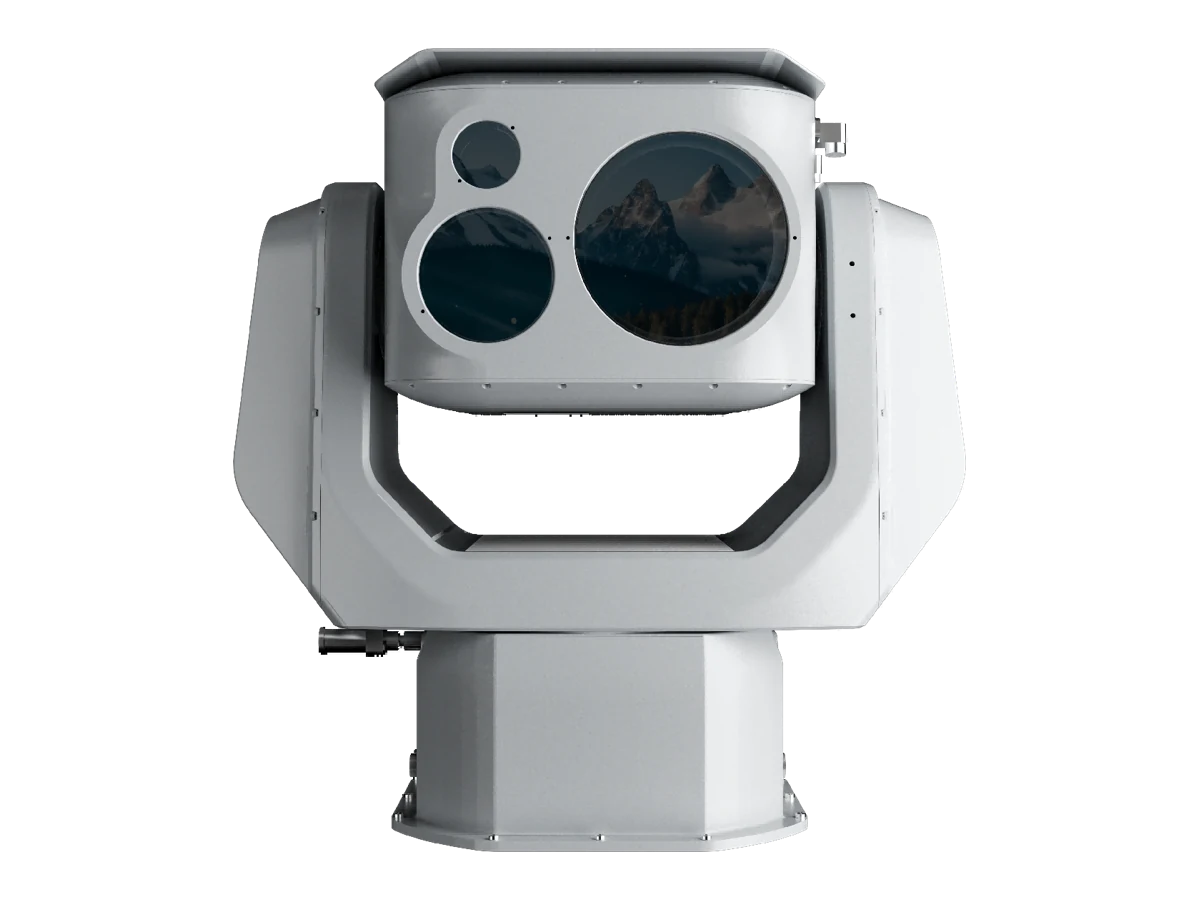 EO/IR
Dual-Spectrum EO/IR Camera
Visible and cooled-infrared tracking in one camera.
View product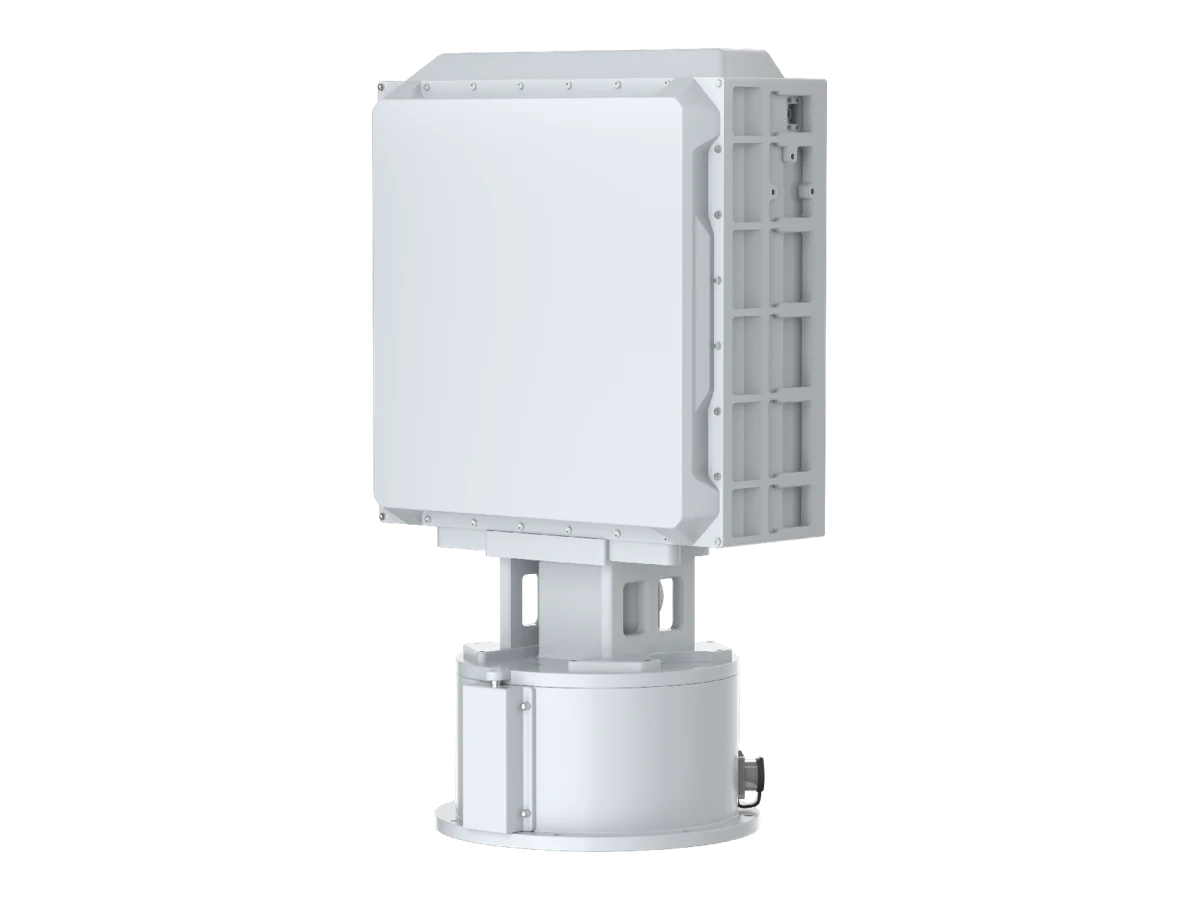 X-band radar
Low-Altitude Surveillance Radar
X-band tracking for small, low-altitude targets.
View productFrequently asked questions
Can RF detection find every drone?
No. RF sensors detect supported drone transmissions, so an autonomous aircraft flying without compatible transmissions may not be detected. RF silence does not establish clear airspace. Define the drone types of concern and assess whether additional sensing is needed for your facility.
Does an IP65 enclosure cover the entire installation?
No. An enclosure rating does not establish protection for connectors, cable entries, power supplies or host equipment. Specify outdoor exposure and installation conditions for each component. Where hazardous areas are involved, assess electrical suitability separately; IP65 is not evidence of explosion protection.
How can we distinguish authorized inspection flights from unknown drones?
The fixed detection unit supports host-based allow/deny lists, track replay and event records. Provide your inspection-drone models and approved flight schedules when defining the operator workflow. Confirm which aircraft information the selected equipment can recognize; an allow-list should not replace review of unexpected activity.
Where should detection sensors be installed around a substation or generating station?
Provide a site plan showing switchyards, buildings, priority monitoring areas and possible mounting locations. Include nearby RF activity and available power. Sensor placement and detection distance depend on supported signals and site conditions; agree on coverage objectives and site verification rather than assuming one station covers the facility.
How can operators verify a drone alert at night?
A dual-spectrum EO/IR camera adds visual verification using visible 20× and cooled infrared 22× optical zoom. Specify the areas operators need to observe and the required daytime and nighttime workflow. Define camera control and alert handling during integration; automatic camera cueing should not be assumed.
What should we provide for a utility monitoring proposal?
Send the facility type, inspection-drone fleet, monitoring priorities, power availability and host-system requirements. The low-altitude sensing station requires an external 24 V supply; the fixed detection unit lists consumption of ≤50 W. Request a quotation that defines sensors, host equipment, operator workflows and any FAT/SAT scope, rather than assuming these tests are included.
Discuss your utility security project
Send your site type, project country and required equipment functions. Include any existing sensors or control-room systems.