| Technology | Information | Main constraint |
|---|---|---|
| RF reception | Compatible signals, identity information, bearing or position depending on equipment | Requires detectable emissions and supported signal processing |
| Radar sensing | Physical target range and movement | Target RCS, clutter and line of sight affect detection |
| EO/IR imaging | Visible and thermal imagery | Visibility, target size and optics affect image detail |
| Acoustic | Sound patterns associated with a target | Ambient noise and target sound level limit performance |
What each drone detection sensor contributes
Range figures measure different tasks: signal reception, radar detection and camera tracking are not interchangeable. Compare target definitions and test conditions alongside distance.
RF detection: signal information
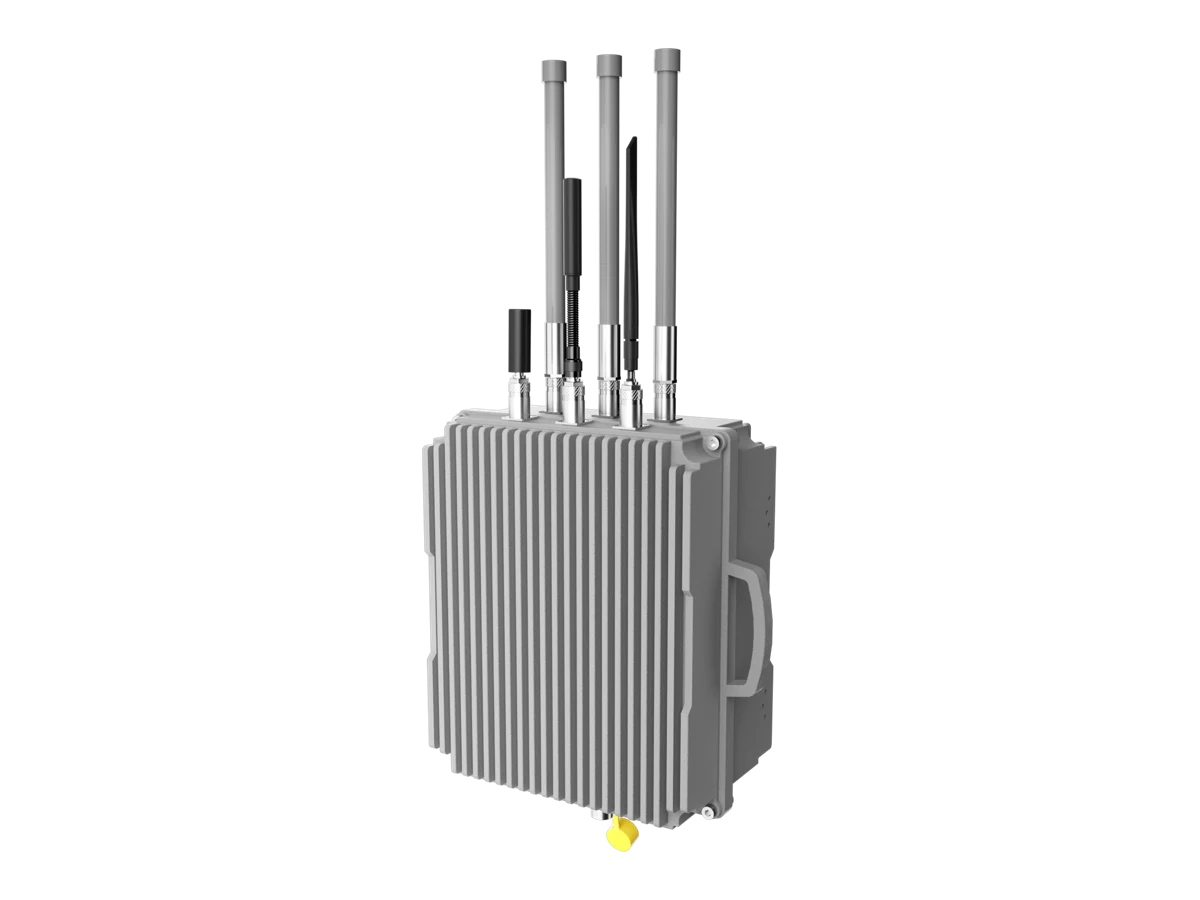
Passive RF receivers monitor drone links; radio-silent aircraft remain a gap. The LY-GRD03 covers 300 MHz–6 GHz, with 2–3 km video/packet detection and 500 m–1 km digital control-signal detection. Host functions include allow/deny lists, track replay and event records.
Radar: independent target tracking
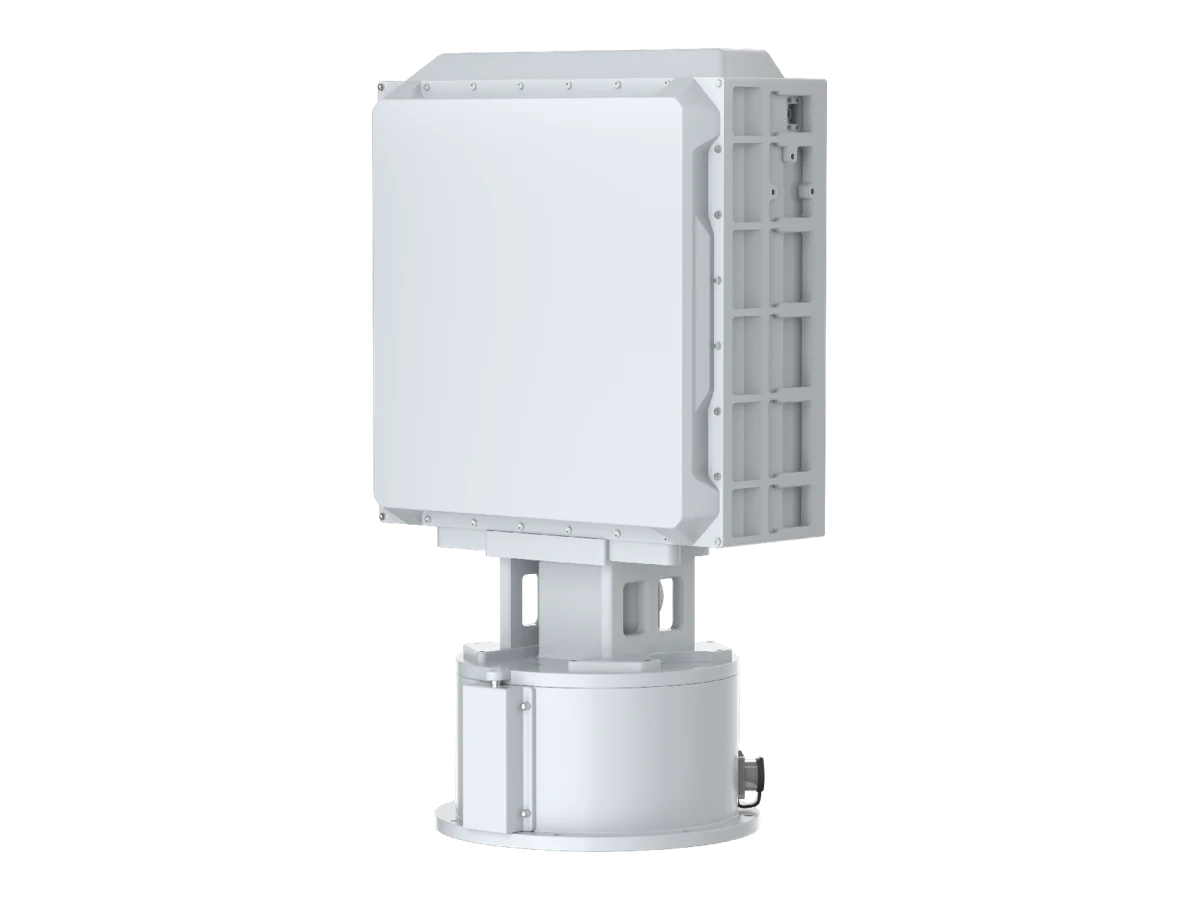
Radar does not require a drone control link, but clutter and target radar cross-section affect performance. The X-band LY-TPS5000 specifies ≥4 km detection for UAV RCS <0.01 m², 360° azimuth coverage, 0–30° elevation coverage and a 200 m blind zone.
EO/IR: visual and thermal assessment
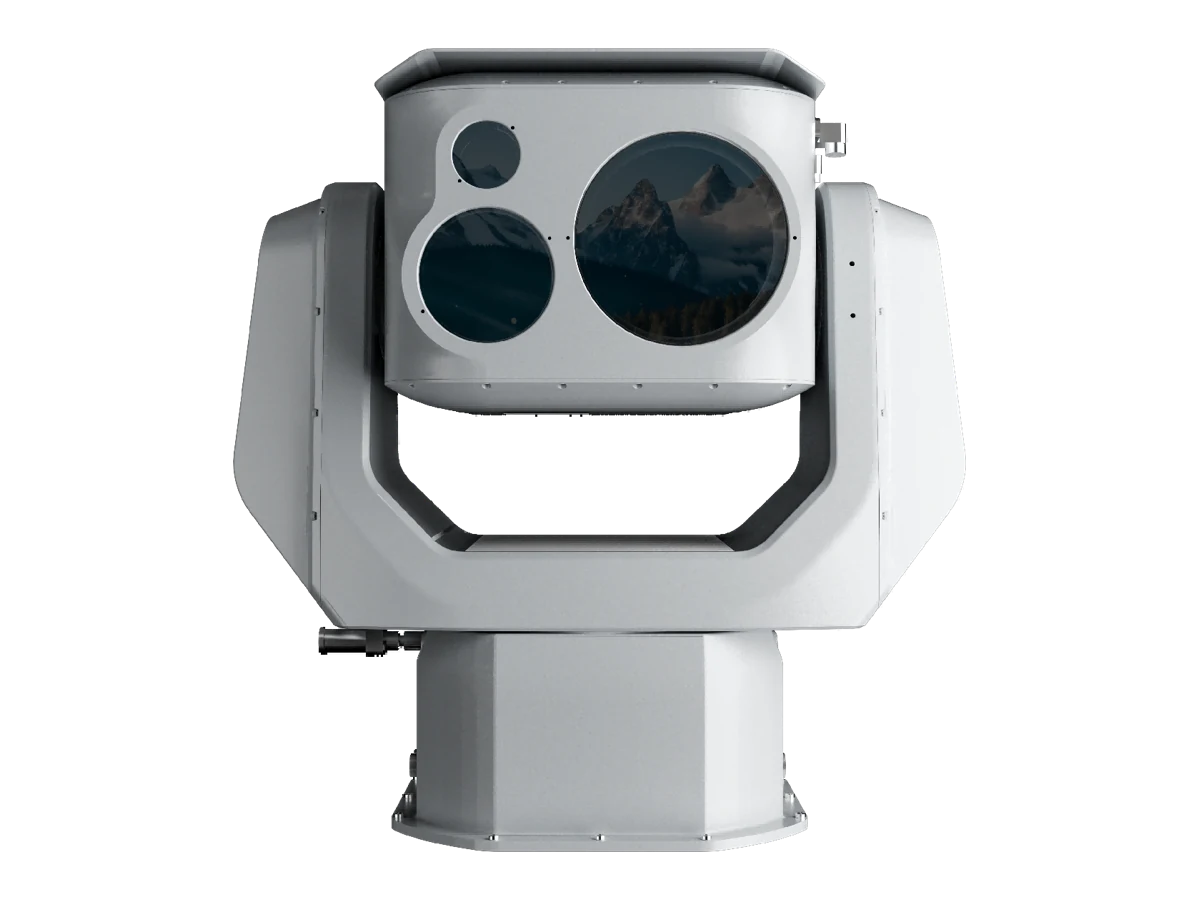
Cameras help operators assess a detected object; visibility, weather and target contrast affect the image. The LS-VRT3000-008 combines 20× visible and 22× cooled-infrared zoom, with ≥3 km detection/tracking in each channel. That figure is not a recognition distance.
Acoustic: a supplementary sensing layer
Acoustic sensors detect characteristic aircraft sound without relying on radio emissions. Wind, machinery and traffic can mask the signal. Evaluate acoustic coverage against the site's background noise rather than treating it as a substitute for RF, radar or imaging.