
Detection: establishing that a target is present
Detection is the first indication of a relevant target or signal. An RF receiver can alert on a compatible transmission. Radar can measure a physical target. A camera can reveal a small object in the scene. The information available at this stage may not be enough to determine exactly what the object is.
Ask what triggered the detection and what conditions apply to the quoted range. For RF equipment, that includes signal compatibility. For radar, it includes the target and surrounding clutter. For a camera, it includes the target size, channel and viewing conditions.
Tracking: maintaining observations over time
Tracking connects successive observations so that an operator or system can follow the target. A track can describe movement and help direct attention to the relevant part of the site. It does not, by itself, establish a unique identity.
For equipment evaluation, ask what is updated, how often updates occur and how the system handles a lost observation. A camera following a target and a radar reporting target measurements may provide useful but different records.
Identification: enough information to distinguish the target
Identification requires sufficient information for a defined assessment. In imagery, that means resolving useful target detail rather than merely observing a point. RF identity information depends on the supported transmissions and decoding capability; it is not interchangeable with visual identification.
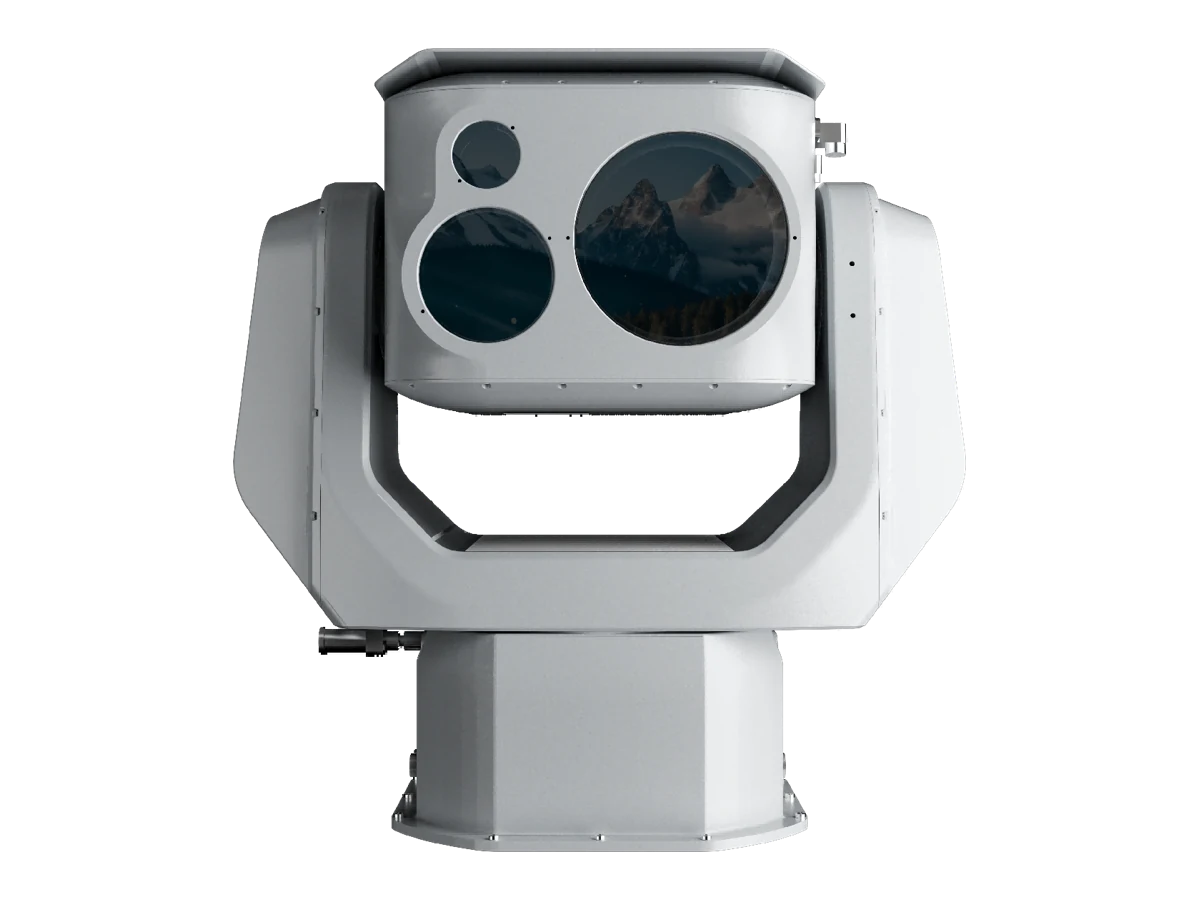
The dual-spectrum camera in the SIFT equipment range specifies detection and tracking for its visible and infrared channels. That wording should not be relabelled as an identification distance. Image detail still depends on the target, optics, visibility and the criteria used by the operator.
Three questions for an equipment proposal
First, which task does the range figure describe: detection, tracking or identification? Second, which target, sensing channel and environmental conditions apply? Third, what output will the operator actually receive: an alert, a track, coordinates or an image?
Agreeing on those terms makes comparisons more useful. It also helps match the sensor to the job: an early warning point, a target-tracking layer or an imaging channel for operator verification.