
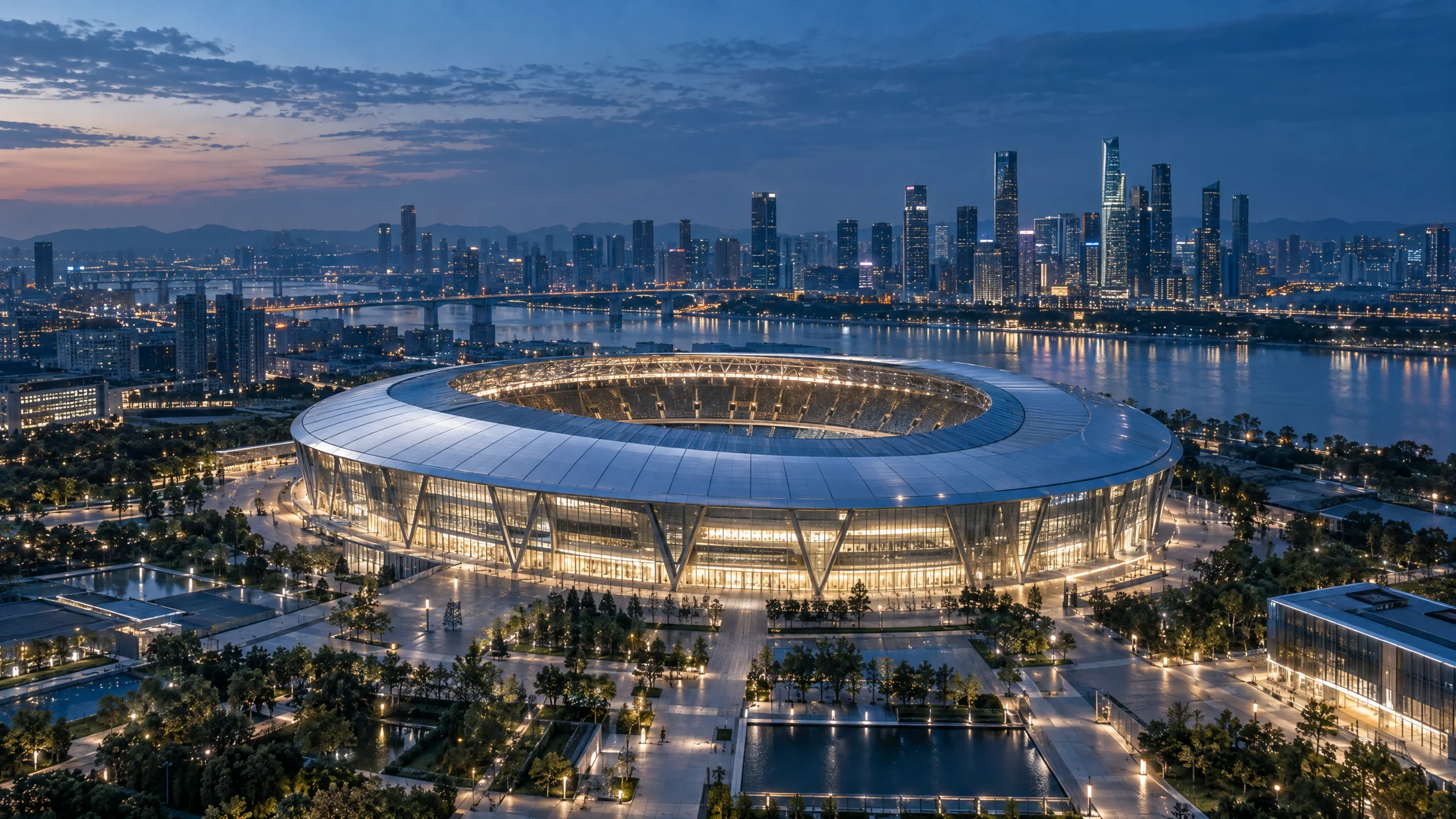
Counter-Drone Security for Events & Stadiums
Match-day security, outdoor concerts and temporary public venues need drone alerts that reach the people managing the event. Portable RF detection, handheld receivers and EO/IR verification support different roles, from venue control rooms to mobile security teams.
Discuss your projectApplication illustration
Equipment for venue security operations.
Portable detection, handheld alerts and visual verification
The Portable Drone Detection & Locating Device covers 300 MHz–6 GHz, with 2–3 km video/packet detection and 500 m–1 km digital control-signal detection. It supports allow/deny lists, track replay and event records. The Handheld Drone Detector provides sound and vibration alerts, 1.5–2 km RF detection and ≥4 h operating endurance at ≤350 g excluding antenna. A Dual-Spectrum EO/IR Camera adds visible and cooled infrared imaging for verification. Detection performance depends on supported signals and venue conditions. Drone monitoring and any countermeasures require applicable local authorizations and privacy safeguards.
Portable monitoring.
Fixed-site options.
The equipment format follows the venue schedule, installation access and operator workflow.
Temporary events
Case-format locators and handheld RF receivers suit portable monitoring requirements and mobile personnel.
Portable detection equipmentPermanent venues
Fixed RF equipment and optical sensors support recurring venue operations with a control-room monitoring point.
Fixed RF monitoringRelated products
Drone detection and verification equipment for temporary events, stadium security teams and integrator-led venue projects.
Ask about a configuration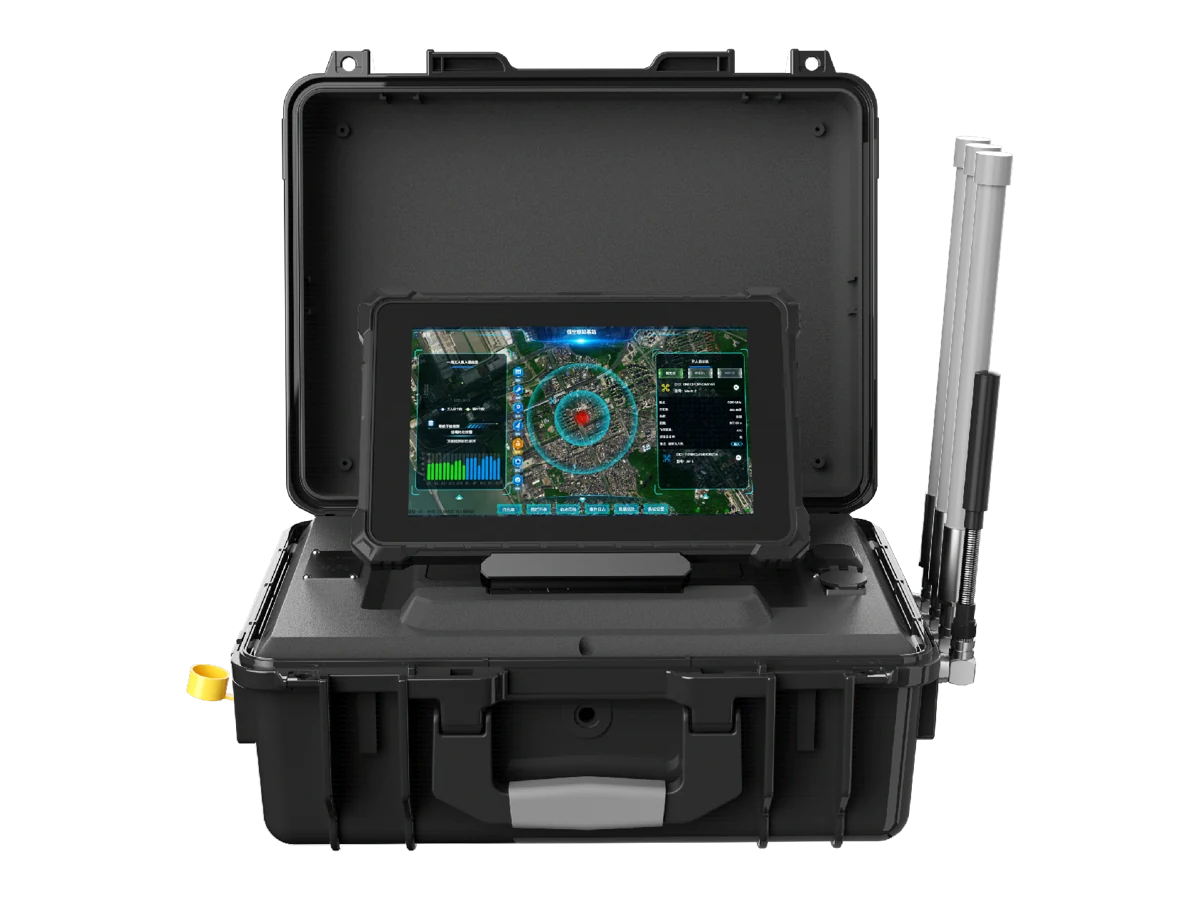 Portable case
Portable Drone Detection & Locating Device
RF detection and locating in a transportable case.
View product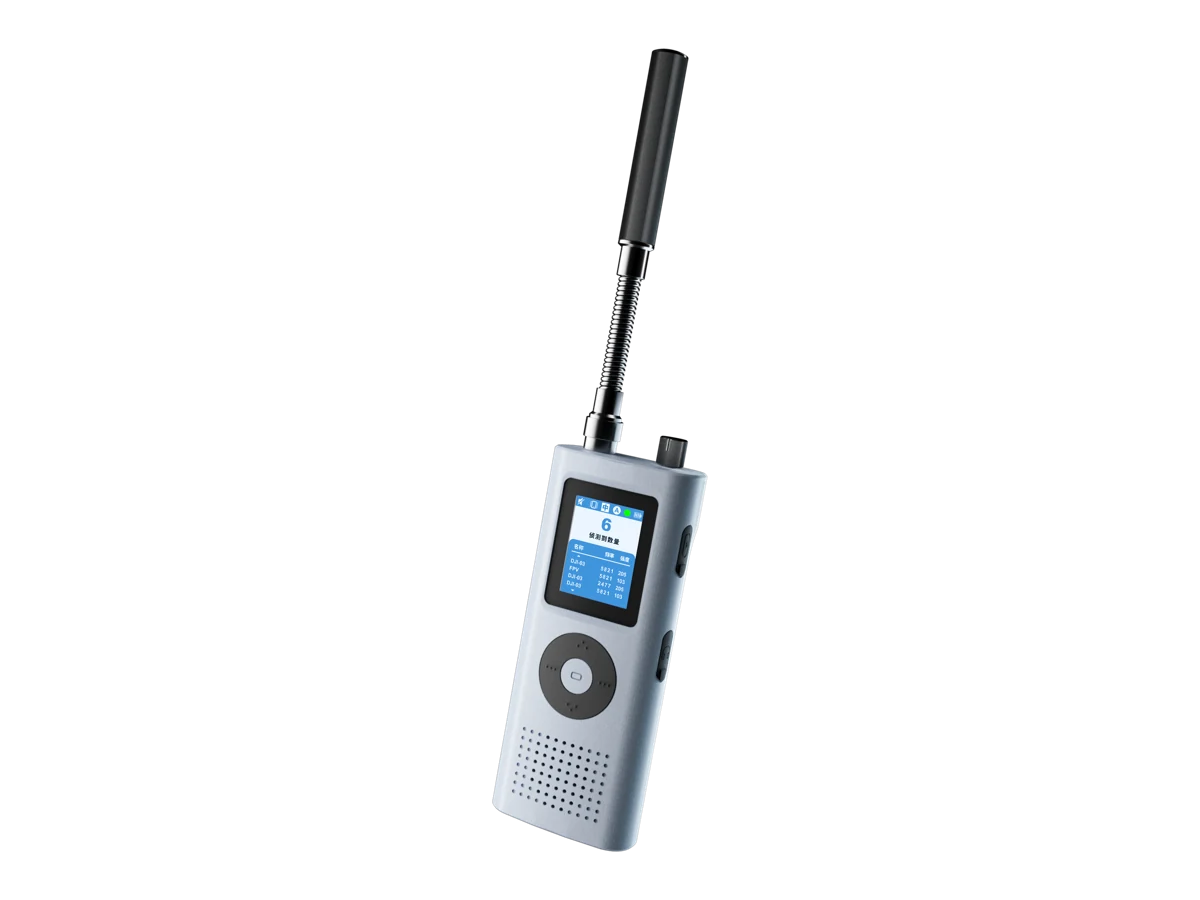 Handheld RF
Handheld Drone Detector
Handheld RF warning for mobile security teams.
View product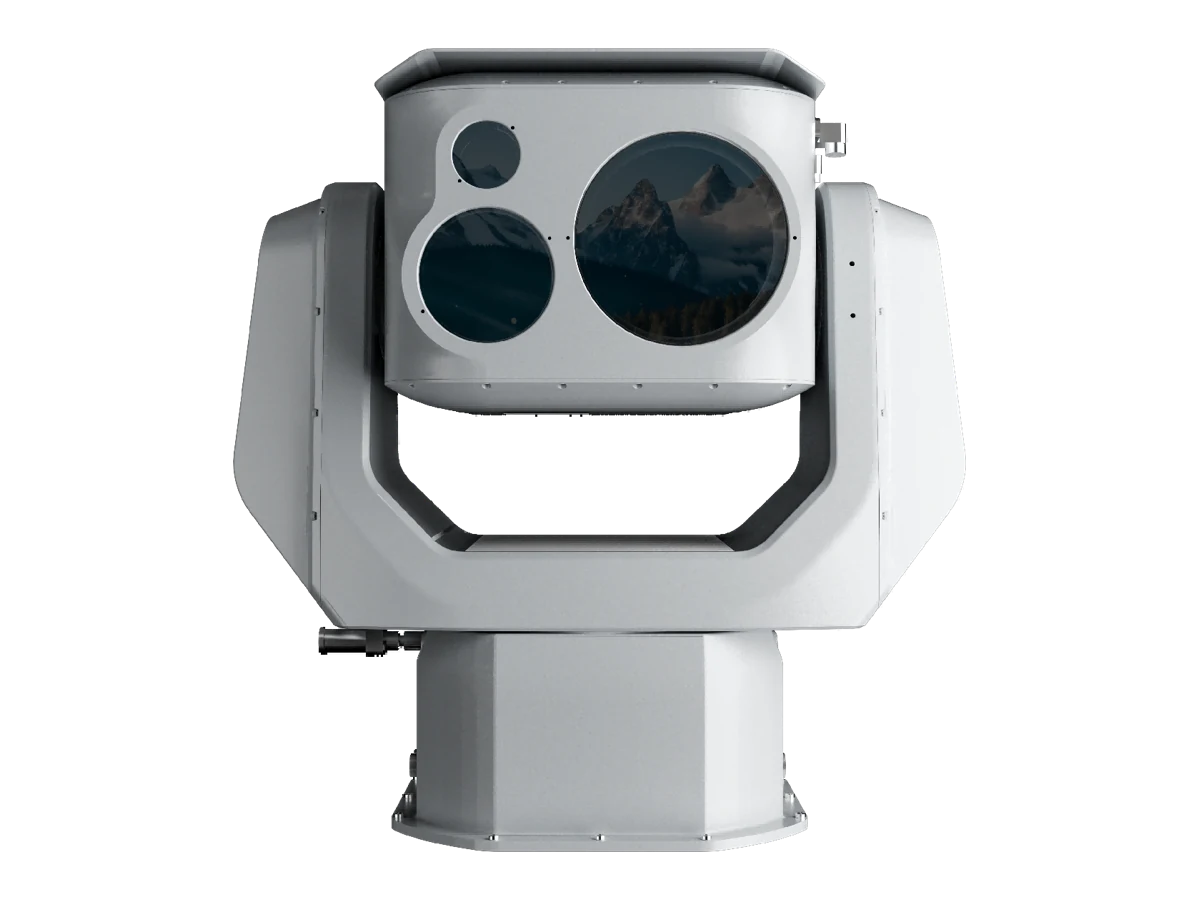 EO/IR
Dual-Spectrum EO/IR Camera
Visible and cooled-infrared tracking in one camera.
View product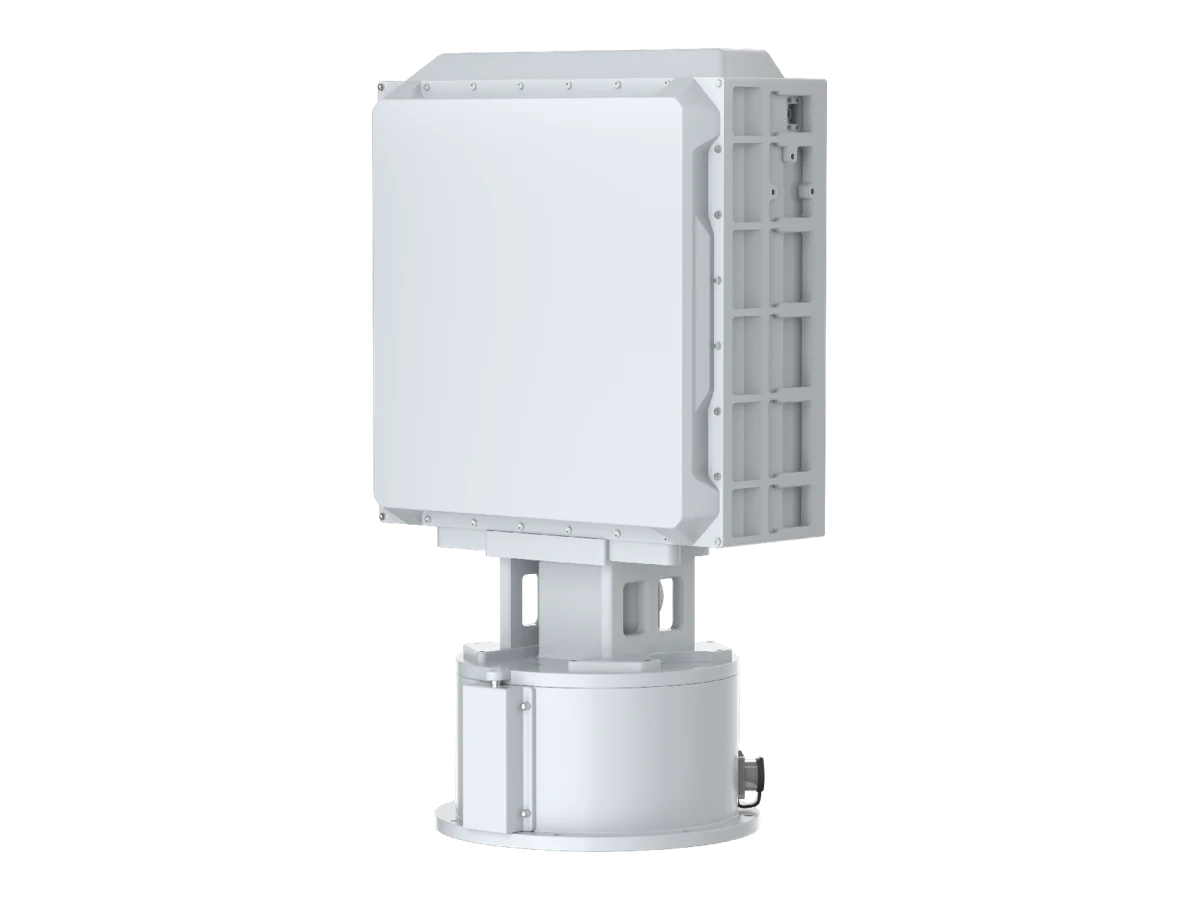 X-band radar
Low-Altitude Surveillance Radar
X-band tracking for small, low-altitude targets.
View productFrequently asked questions
Can RF detection find every drone?
No. RF detection relies on compatible emissions, so an RF-silent drone or one using unsupported signals may go undetected. Assess complementary sensing, such as radar, where this limitation matters; do not treat RF coverage as complete airspace surveillance.
Can one equipment package serve several venues?
Portable equipment can move between venues, but building layouts and radio environments differ. Reassess coverage, operator positions and alert handling at each stadium or temporary event site. Share the venue layouts and event schedules when planning a reusable package rather than carrying over a previous site's coverage assumptions.
Should stadium staff use handheld detectors or a portable detection unit?
Choose according to staff roles. The handheld detector gives sound and vibration alerts for mobile security personnel, with stated endurance of at least four hours. The portable detection and locating device supports allow/deny lists, track replay and event records. Specify patrol duties, control-room responsibilities and shift lengths when discussing the equipment mix.
Do the published detection distances guarantee coverage across a stadium?
No. The portable unit lists 2–3 km for video/packet detection and 500 m–1 km for digital control signals; the handheld detector lists 1.5–2 km RF detection. These are not guaranteed venue coverage distances. Provide seating-bowl, roof and surrounding-building layouts, and agree site assessment and acceptance criteria in the quotation scope.
How can security teams visually verify a drone alert during an evening event?
The Dual-Spectrum EO/IR Camera adds visible and cooled infrared imaging to support verification. Plan viewing positions and operator responsibilities around the event layout, lighting and sightlines. Buildings, roofs and other obstructions can limit visual confirmation, so define how staff handle an alert that cannot be verified visually.
What should we provide when requesting an event-security proposal?
Send the venue plan, event dates and operating hours, priority areas, expected authorized drone activity and staffing arrangement. Explain who should receive alerts and how incidents will be escalated. Identify applicable monitoring permissions and privacy requirements, and specify whether allow/deny lists, track replay and event records are needed.
Discuss your event-security project
Send your site type, project country and required equipment functions. Include any existing sensors or control-room systems.