

Airport Counter-UAS & Drone Detection Systems
Airport drone detection needs to turn an alert into information a security team can assess. Combine RF monitoring, radar tracking and EO/IR verification for airfield perimeters, terminal facilities and approach-path monitoring, with a clear handover to airport operations.
Discuss your projectApplication illustration
Drone detection for aviation security.
RF warning, radar tracks and visual verification
Each sensor contributes different information. RF reception depends on compatible transmissions; radar measures physical targets; EO/IR adds imagery. Radar and active countermeasures require destination-specific spectrum and aviation review.
Fixed RF monitoring
The Low-Altitude Sensing Station covers 300 MHz–6 GHz and supports allow/deny lists, track replay and event logs. Position information varies by drone type/model.
Low-Altitude Surveillance Radar
LY-TPS5000 specifies ≥4 km for a UAV with RCS <0.01 m² and a 200 m blind zone; actual coverage depends on terrain and clutter.
Dual-Spectrum EO/IR Camera
Visible 20× optical zoom and cooled infrared 22× optical zoom support visual verification in differing light conditions.
Three complementary
information layers.
RF alerts, physical tracks and visual observations support the handover between the security team and airport operations.
RF monitoring
Receive compatible drone emissions and display supported target information.
Radar tracks
Add physical target measurements for monitoring beyond RF reception alone.
EO/IR verification
Provide visible and thermal imagery for operator assessment.
Related products
RF detectors, surveillance radar and dual-spectrum cameras for airport security teams, system integrators and equipment distributors.
Ask about a configuration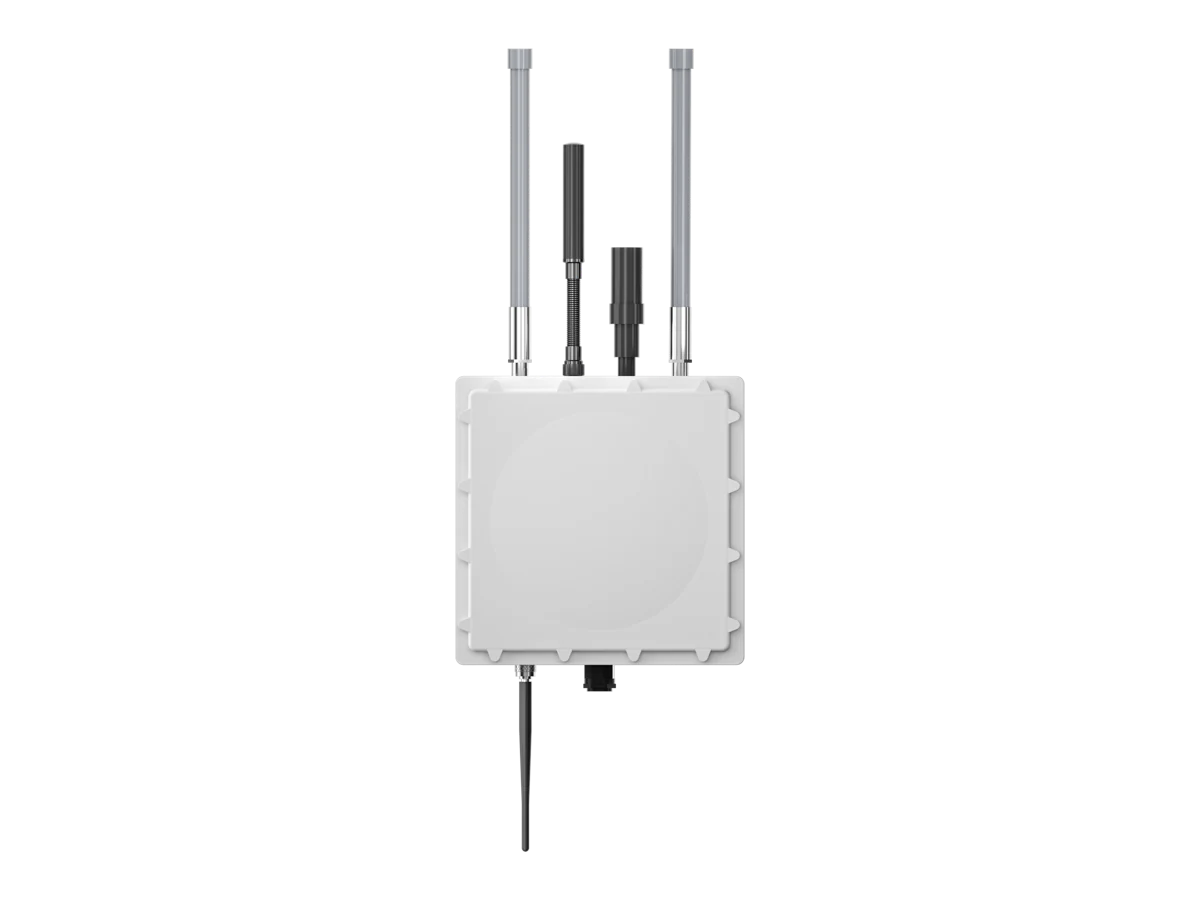 Fixed RF node
Low-Altitude Sensing Station
Continuous RF monitoring from a compact fixed station.
View product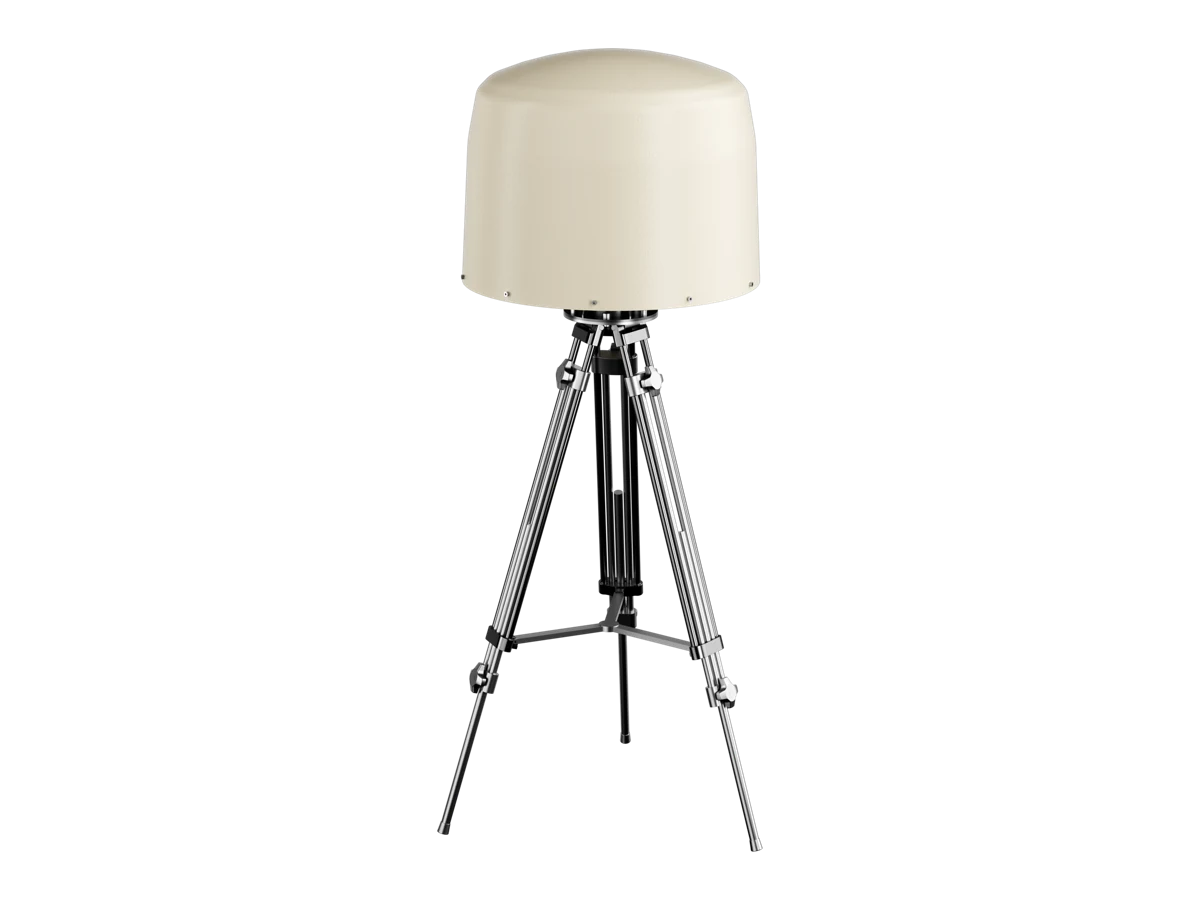 Passive DF
Drone Direction Finder
360° direction finding for drone RF signals.
View product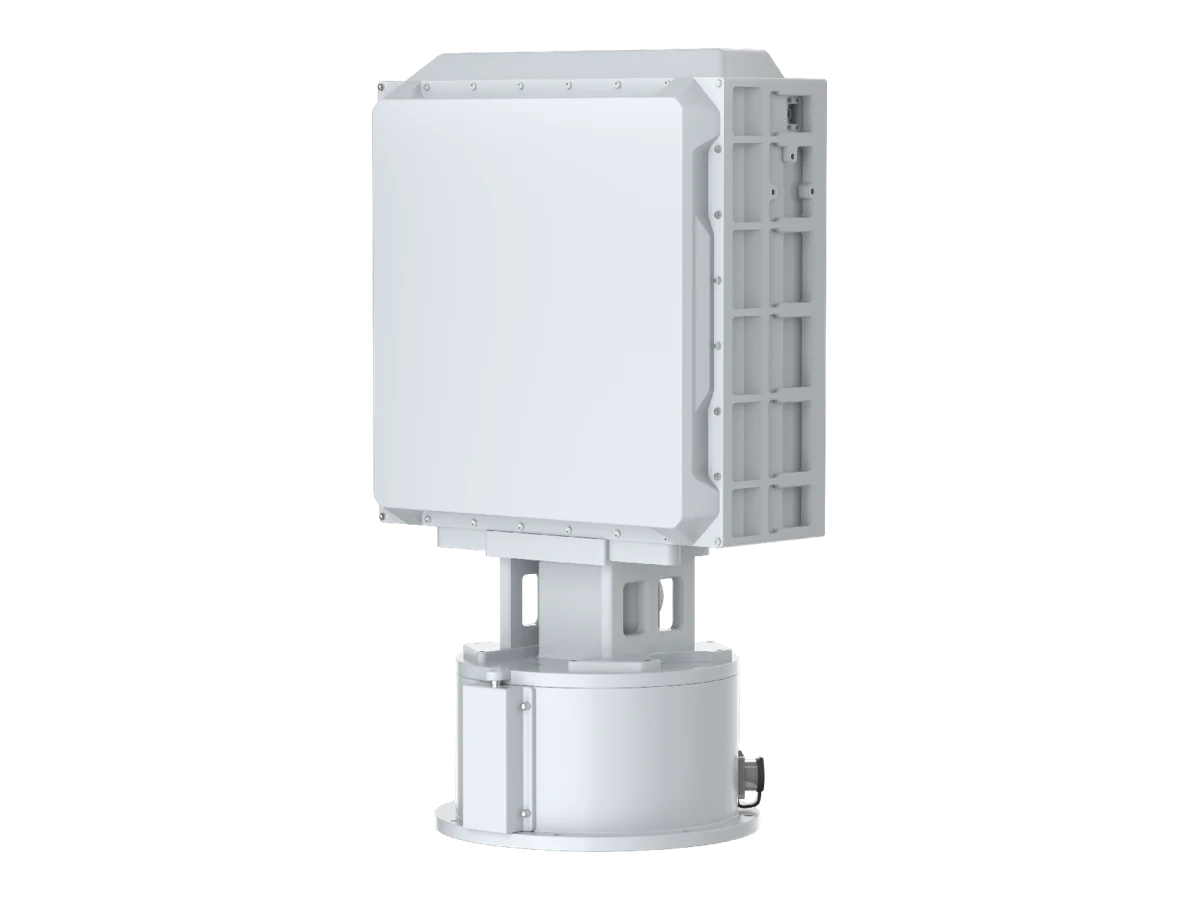 X-band radar
Low-Altitude Surveillance Radar
X-band tracking for small, low-altitude targets.
View product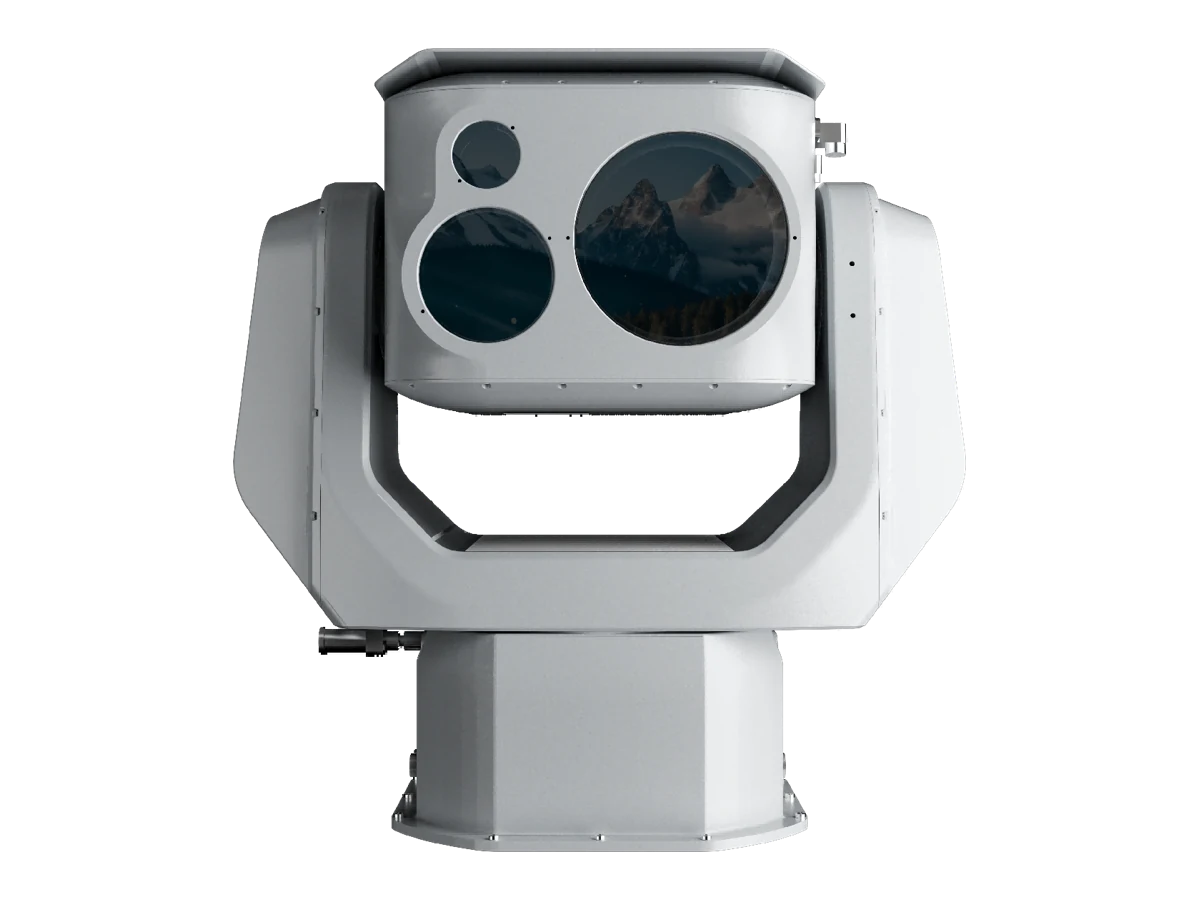 EO/IR
Dual-Spectrum EO/IR Camera
Visible and cooled-infrared tracking in one camera.
View product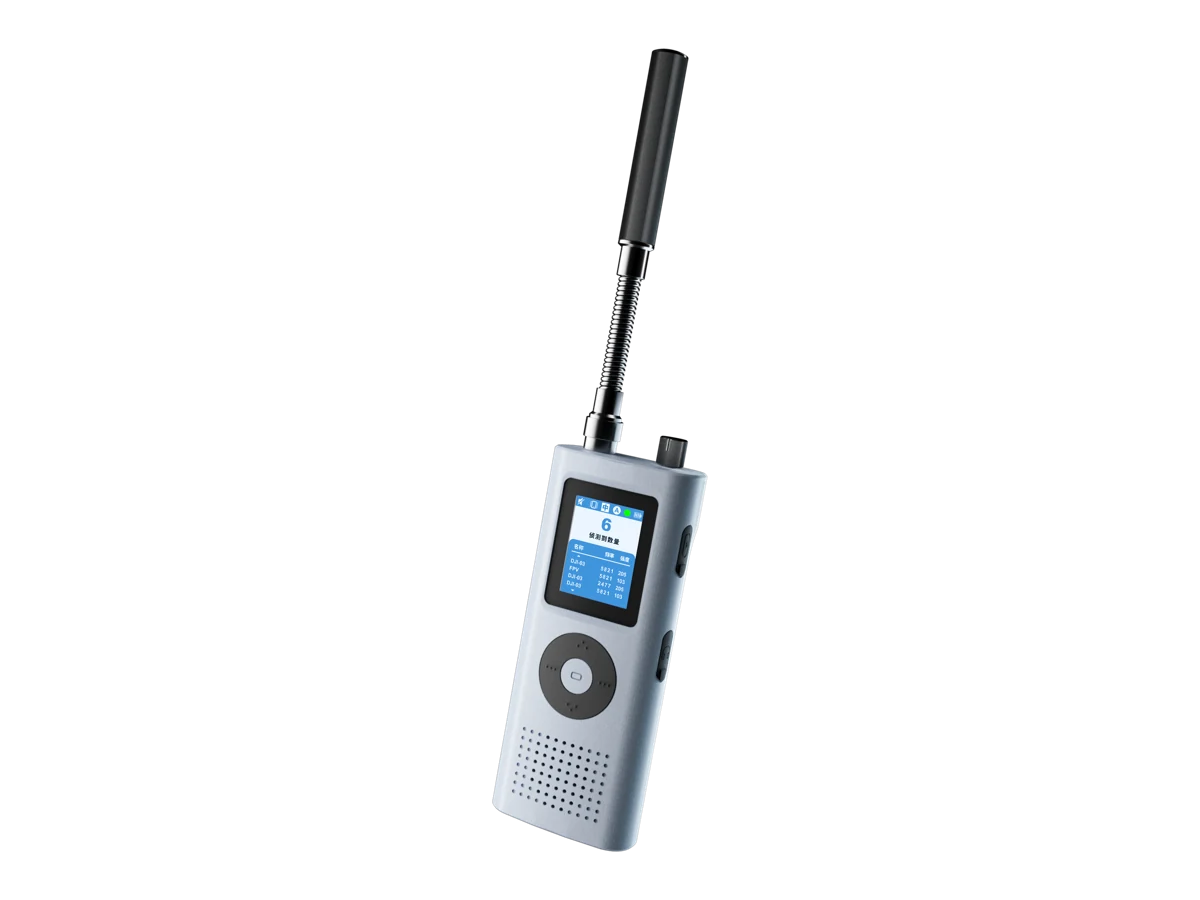 Handheld RF
Handheld Drone Detector
Handheld RF warning for mobile security teams.
View productFrequently asked questions
Does an RF bearing identify the pilot’s position?
No. An RF bearing indicates direction, not a unique position. Pilot-location output requires a defined locating method and compatible signals, while available position information varies by drone type and model. Specify whether your airport team needs a bearing, drone position or pilot location when requesting a proposal.
Does the camera’s ≥3 km rating mean it can identify a drone?
No. The ≥3 km rating describes detection/tracking for each channel, not identification. Identification depends on target detail, visibility and image quality. For airport assessment, define what operators must visually confirm and the viewing conditions; do not use the rating alone as proof of identification capability.
Can RF monitoring detect a drone that is not transmitting?
RF monitoring depends on compatible transmissions and cannot detect a drone through RF reception alone when it is radio-silent. Radar measures physical targets, while EO/IR provides imagery for verification. Airport planning should consider these complementary sensors rather than assume RF monitoring covers every drone or flight mode.
Will one radar cover the airfield perimeter and approach paths?
Do not assume a single radar covers both. The LY-TPS5000 specification lists ≥4 km for a UAV with RCS <0.01 m² and a 200 m blind zone; actual coverage depends on terrain and clutter. Provide perimeter maps, priority approach areas and potential obstructions so proposed coverage gaps can be assessed.
Can an airport detection system automatically justify jamming or other active countermeasures?
No. Detecting a drone does not establish authorization to use active countermeasures. Radar and active countermeasures require destination-specific spectrum and aviation review. Keep detection, visual verification and handover to airport operations distinct from response authorization, and have the responsible airport and regulatory authorities review any proposed active capability.
What should we provide for an airport drone-detection proposal?
Send an airport brief showing priority airfield, terminal and approach-path areas, potential obstructions, expected drone types and the information operators need from alerts. Describe the handover to airport operations and any existing system interface requirements for review. Ask the quotation to define equipment, integration responsibilities and any required FAT/SAT scope explicitly.
Discuss your airport integration project
Send your site type, project country and required equipment functions. Include any existing sensors or control-room systems.